AmericanBadu

Blog about the natural & cultural heritage of Saudi Arabia

I’m Joshua Van Alstine — an American writer and researcher living and working in Saudi Arabia. I document the natural and cultural heritage of the Arabian Peninsula, from Bedouin traditions to desert ecology, camel racing, falconry, and ancient history.

Read more about AmericanBadu →

  • King Saud: From Crown Prince to Builder of the Modern State

    King Saud bin Abdulaziz Al Saud (1902–1969) was born in Kuwait in the same year his father recaptured Riyadh, marking the rebirth of the Saudi state. He memorized the Qur’an by the age of eleven and was raised under the guidance of King Abdulaziz and Imam Abdulrahman. From his youth, he was immersed in military and political life, accompanying his father on campaigns and serving as a trusted aide in tribal diplomacy and governance.

    His first diplomatic mission came in 1915, when he represented his father in Qatar. That same year, he fought at the Battle of Jarrab. In 1918 he was entrusted with independent command at the Battle of Turbah, defeating the forces of Sharif Hussein and opening the way for the entry into the Hijaz. Over the following years, he commanded forces in Ha’il, supervised the annexation of Yanbu’ in 1926, and developed a reputation for valor and leadership.


    In 1933, Saud was named Crown Prince, the first in Saudi history. Over the next twenty years he carried out extensive diplomatic missions, visiting Egypt, Europe, and Jerusalem, where he prayed at al-Aqsa Mosque in 1935. He attended the coronation of King George VI in London in 1937, cultivated alliances with Iraq, Yemen, and Egypt, and steadily assumed internal responsibilities. By the 1940s, he presided over the Hajj, opened new colleges, and spearheaded infrastructure projects such as the Jeddah–Madinah road. In 1953, he was appointed Commander-in-Chief of the Armed Forces and Internal Security Forces, consolidating his position as heir apparent.


    When King Abdulaziz died in November 1953, Saud succeeded him as King, the first dynastic succession in the modern Kingdom. He pledged allegiance to his brother Faisal as Crown Prince, and announced a program of development framed by the Qur’an and Sunnah. Early priorities included the expansion of the Two Holy Mosques, the improvement of health services, and the modernization of the capital, Riyadh.

    His reign saw the creation of the Ministry of National Economy (later merged into Finance), the Ministry of Commerce, and the Industrial and Electricity Affairs Administration. The Kingdom’s first five-year development plan was launched. Currency reform was advanced with the strengthening of the Saudi Arabian Monetary Authority and the introduction of the first Saudi paper currency.

    Oil exploration expanded with eight new fields discovered. The General Petroleum and Mineral Organization was founded, Saudi Arabia secured profit shares from the Trans-Arabian Pipeline, and initial steps were taken toward participation in the ownership of ARAMCO.

    To safeguard rights and regulate administration, the Board of Grievances was established in 1954, gaining independence the following year. State agencies were expanded with the Board of Employees and the General Auditing Bureau, creating a more formal civil service structure and financial oversight.


    The Ministry of Knowledge (later Education) was established in 1953. In 1957, King Saud University opened in Riyadh as the Kingdom’s first university. Other milestones included the Islamic University of Madinah (1961), Imam Mohammed bin Saud Islamic University colleges, the Institute of Public Administration (1960), and the College of Petroleum and Minerals (1963). Girls’ education was formalized with the General Presidency for Girls’ Education in 1960. These institutions formed the basis of Saudi higher education.


    Healthcare underwent dramatic expansion. Hospitals were opened across the country, including King Saud Hospital in Riyadh (1956) and al-Shumaisi Hospital (1961). State-funded treatment became the norm, and mobile hospitals brought services to remote areas. The first Saudi school for nurses was opened in 1960, and centers for pilgrims’ healthcare were established.


    The armed forces were modernized with literacy schools, technical army schools, and the King Abdulaziz Military College. Naval Forces Command was created in 1957, alongside a paratrooper and aviation corps. The Royal Saudi Air Force was expanded with modern fighter jets, training schools, and new bases. A munitions factory opened at al-Kharj in 1954.

    The General Directorate of Radio, Press, and Publication was established in 1955, expanding radio broadcasting across the Middle East and regulating the press. Plans for television were approved to educate and inform, alongside a robust publishing and media framework.


    The reign of King Saud was marked by the restoration of the Ka‘ba, the first in three centuries, and the beginning of the Grand Mosque expansion in 1956. New gates, staircases, an expanded Mataf, reorganized Zamzam access, and flood diversions at al-Mas‘a were completed. The Prophet’s Mosque was expanded in the 1950s, including the construction of the Saudi Gate, inaugurated in 1955.
    King Saud personally repaid the debts of farmers, granted exemptions in several provinces, and supported agriculture with millions of riyals. He financed the construction of hundreds of mosques, built religious institutes, and provided stipends to students. Incentives were given for memorization of the Qur’an, and mobile medical units were funded from his own account to serve rural areas. He also supported Palestinian refugees and Arab charitable causes.


    King Saud died in Athens in 1969. Funeral prayers were held at the Grand Mosque in Makkah before his burial in al-Oud Cemetery in Riyadh. His legacy endures in institutions bearing his name: King Saud University, King Saud Medical City, King Saud bin Abdulaziz University for Health Sciences, King Saud Sport City, King Saud Airport, and the King Saud Public Library.


    King Saud’s reign marked the transition from the founding unity of King Abdulaziz to the institutions of a modern state. He established ministries, universities, hospitals, and a professional military; expanded the Holy Mosques; and advanced media, education, and health services. Though National Day itself would be declared just after his reign, the lived experience of unity — schools, roads, hospitals, and ministries — became tangible under his rule, a legacy that continues to shape the Kingdom.
  • Saudi National Day: The Story of a Homeland

    A Decree that Changed History

    On 17 Jumādā al-Ūlā 1351H (19 September 1932), King Abdulaziz Al Saud issued Royal Decree No. 2716, uniting the Kingdom of Hejaz and Najd with their dependencies into the Kingdom of Saudi Arabia (al-Mamlaka al-ʿArabiyya al-Saʿūdiyya – المملكة العربية السعودية).
    The decree took effect on 23 September 1932 (21 Jumādā al-Ūlā 1351H), a date that became the cornerstone of Saudi national identity.

    Why No National Day at First?

    For decades, this historic event was not observed as a public holiday. The Saudi calendar revolved around the two sacred Islamic feasts — ʿĪd al-Fiṭr (عيد الفطر) and ʿĪd al-Aḍḥā (عيد الأضحى). But Saudis longed for a civic commemoration, a day that celebrated their waṭan (وطن, homeland) — a word that evokes belonging, memory, and shared destiny.

    ʿĪd al-Julūs: The Royal Sitting Day

    Before National Day, Saudis observed ʿĪd al-Julūs (عيد الجلوس). First celebrated in 1926, it marked the allegiance of the Ḥijāz to King Abdulaziz.

    Festivities included:

    Special editions of Umm al-Qurā newspaper

    Commemorative postage stamps

    Pardons for prisoners

    This royal commemoration planted the seed for a wider national celebration.

    1965: The First Official National Day

    It was not until 1385H / 1965 that 23 September was declared the official National Day of Saudi Arabia.
    For the first time, the founding moment of the Kingdom was woven into public life — a civic holiday that stood alongside the religious festivals.

    Royal Voices Across the Years

    King Khalid (1978): “We must safeguard the unity and achievements of our homeland.”

    King Fahd (1988): “National Day is a reminder of our role in development and renaissance.”

    King Salman (present): “National Day reminds us of amān (أمان, security) and istiqarār (استقرار, stability) — blessings we must preserve.”

    Each king reinterpreted National Day for his era, turning it into a living tradition of memory, pride, and responsibility.

    National Day Today: Vision 2030 in Action

    In the era of Vision 2030, National Day has transformed into a grand cultural spectacle:

    Fireworks over Riyadh, Jeddah, and Dammam

    Air shows and parades

    ʿArḍa (العرضة) sword dances

    Concerts and exhibitions across the Kingdom

    It is no longer only about 1932 — it is about celebrating the Kingdom’s unity, security, and renewal in the present.

    Vocabulary of Belonging
    Arabic Word Arabic Script Pronunciation Meaning
    al-Yawm al-Waṭanī اليوم الوطني al-yawm al-waṭa-nī National Day
    waṭan وطن wa-ṭan Homeland
    turāth تراث too-rāth Heritage
    amān أمان a-mān Security, peace
    istiqarār استقرار is-ti-qa-rār Stability
    Beyond a Date

    Saudi National Day is not just a holiday. It is a bridge across generations — from the unification of 1932 to the cultural renaissance of today.

    Each 23 September, Saudis renew their oath of belonging: to preserve their homeland, honor their heritage, and carry forward the vision of a Kingdom that endures, prospers, and inspires.

  • Mapping Memory: Saudi Arabia’s Expanding Cultural Landscape

    Numbers can tell stories if we listen closely. The latest figures on Saudi Arabia’s cultural heritage—9,119 registered archaeological sites, 28,000 registered urban heritage sites, 8,644 artisans under the Commission, 8 UNESCO World Heritage Sites, and 16 cultural heritage elements inscribed with UNESCO—are not simply data points. They are signposts in an ongoing national project to define identity, preserve memory, and share heritage with the world.

    حجر من البازلت نُقشت عليه سبع أيادٍ يعود إلى 2000 سنة قبل الميلاد ضمن معروضات المتحف الوطني السعودي، عُثر عليه في عان الحامضة بمنطقة نجران (2025) -,1

    From Margins to Center: Changing the Narrative on Saudi Heritage

    For much of the 20th century, the prevailing consensus about Saudi Arabia’s heritage was muted. To the outside world, Arabia was often reduced to two narratives: oil and pilgrimage. Its cultural landscapes, crafts, and deep archaeological record were overlooked, sometimes dismissed as peripheral to “greater” civilizations in Mesopotamia, Egypt, or the Levant. Within the Kingdom, modernization often meant sidelining traditional architecture, oral traditions, and crafts in favor of steel, glass, and imported ideals of progress. Heritage existed, but it was underappreciated, underfunded, and largely invisible to both global and local audiences.

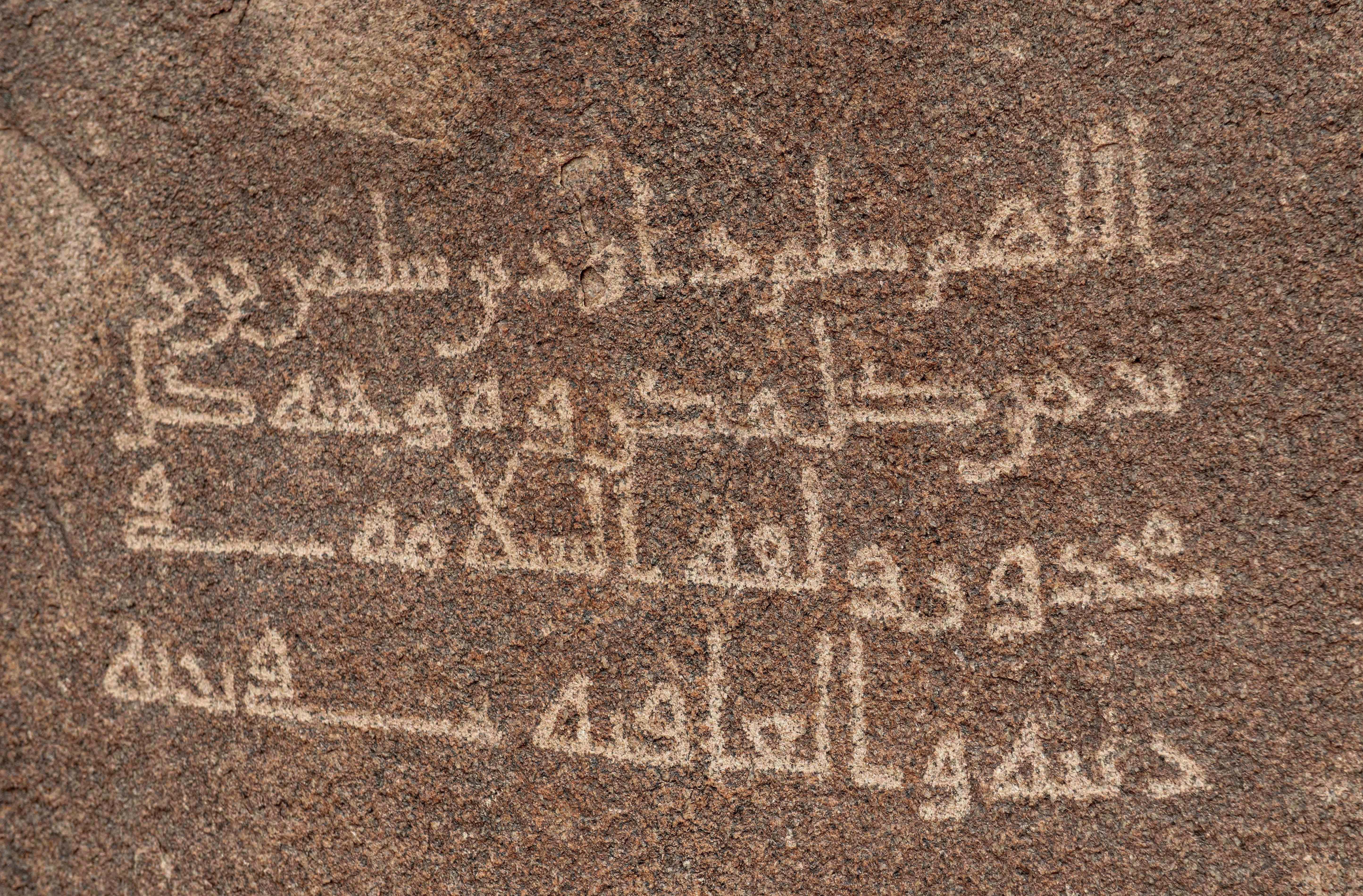
    نقوش بجبل الذرواء في منطقة نجران جنوب غربي السعودية (2025) FBH4

    What has shifted in the past two decades is not just policy but philosophy. Saudi Arabia now treats heritage as a cornerstone of national identity and an asset with global resonance. The registration of thousands of sites and the recognition of living traditions represent a deliberate reversal of that earlier consensus. The Kingdom is no longer content with being defined solely by oil or religion—it is rewriting its place in history by reclaiming and projecting its cultural depth.

    A Land of Deep Time

    One of the most striking reminders of Saudi Arabia’s ancient roots comes from AlUla, a region whose human story reaches back at least 200,000 years. Archaeological surveys have uncovered stone tools and settlements that trace a continuum of human presence across shifting climates and civilizations. From early hunter-gatherers to the monumental tombs of the Nabataeans at Hegra, AlUla encapsulates the Kingdom’s layered history—prehistoric, classical, and Islamic—compressed into a single landscape. To speak of Saudi heritage, then, is not to speak of centuries but of hundreds of millennia.

    بقايا قدر من الحجر الصابوني يعود إلى القرن الثالث قبل الميلاد ضمن معروضات المتحف الوطني السعودي، عُثر عليه بتاروت في المنطقة الشرقية (2025) (B’J’

    Archaeological Sites: Echoes of Forgotten Civilizations

    Over 9,000 registered archaeological sites reveal the depth of Arabia’s human history, stretching far beyond the modern state. Each site—whether a petroglyph in the north, an ancient oasis settlement, or a burial mound along the coast—serves as a fragment of collective memory. To catalog them is not merely an academic exercise; it is an acknowledgment that the land itself is a living archive of human migration, trade, and belief systems.

    “السدو” أحد أنواع النسيج التقليدي والحِرف اليدوية في السعودية (2025) “

    Urban Heritage Sites: Continuity of Everyday Life

    The 28,000 registered urban heritage sites tell a different story—one of lived traditions, architecture, and community. Unlike archaeological ruins, these sites are tied to continuity: mudbrick homes, traditional souqs, and mosques that still breathe with activity. They are a record of how Saudis adapted to their environment, embedding social structures into stone, wood, and plaster. Cataloging these sites represents an effort to keep memory alive not as relic but as lived experience.

    Artisans: Guardians of Intangible Heritage

    Nearly 8,644 artisans are now registered with the Commission. In anthropology, artisanship is often described as “embodied knowledge”—skills carried in muscle memory, not just written manuals. Whether weaving, pottery, or sword-making, these crafts are a dialogue across generations. Registering artisans is thus more than bureaucracy—it is a form of safeguarding against cultural amnesia, ensuring that craft remains tied to its social context rather than becoming mere souvenirs.

    UNESCO Sites: Global Recognition

    Saudi Arabia’s 8 UNESCO World Heritage Sites—from Hegra to the At-Turaif District—place the Kingdom within a global conversation. UNESCO inscription is never simply about preservation; it is about recognition, positioning sites as shared human heritage. For Saudi Arabia, this signals a shift from inward-looking guardianship to outward-facing cultural diplomacy.

    Cultural Elements: Living Traditions on the World Stage

    The 16 cultural heritage elements inscribed with UNESCO—such as Al-Ardah (the traditional sword dance) or falconry—demonstrate that heritage is not only about stones and ruins but also about rhythm, sound, ritual, and movement. These are living practices, evolving with each performance, yet codified now in international memory.

    Heritage as Strategy

    Seen together, these numbers reflect more than preservation—they reflect a strategy. Saudi Arabia is not only cataloging its past but weaving it into the fabric of its future. In anthropology, heritage work is often viewed as a negotiation: between modernity and tradition, between national identity and global visibility. Here, the Kingdom’s massive heritage registration projects reveal a conscious attempt to ground rapid transformation in deep time.

    Conclusion: Counting as Care

    To count heritage is to care for it. Whether it’s the 9,119th archaeological site or the 8th UNESCO inscription, each figure is a marker of intentionality. As an amateur anthropologist, what strikes me most is that these numbers are not static—they will grow, shift, and multiply. And in that growth lies the story of a nation re-discovering itself, using the tools of archaeology, craft, and culture to shape its place in history.

  • “We gathered, we Arabs, beneath the fig tree’s shade…

    “اجتمعنا مع بعض العرب تحت الحماطـه .. حن قلبي على دار الدواء وانا لحالي”

    “We gathered, we Arabs, beneath the fig tree’s shade…
    My heart aches for that home of warmth, now that I sit alone.”

    Under the branches of a Ficus carica, the fig tree (hamaatah), a poet once found both companionship and silence.

    In the highlands of ʿAsīr, fig trees aren’t just part of the scenery—they’re part of the soul. They’re where tea is poured, stories linger in the air, and silence feels like presence.

    And yet, the fig itself holds a quiet irony: it cannot bear fruit without the fig wasp—a tiny creature that lives and dies entirely inside it. Two species, bound together in a secret, delicate dependency.

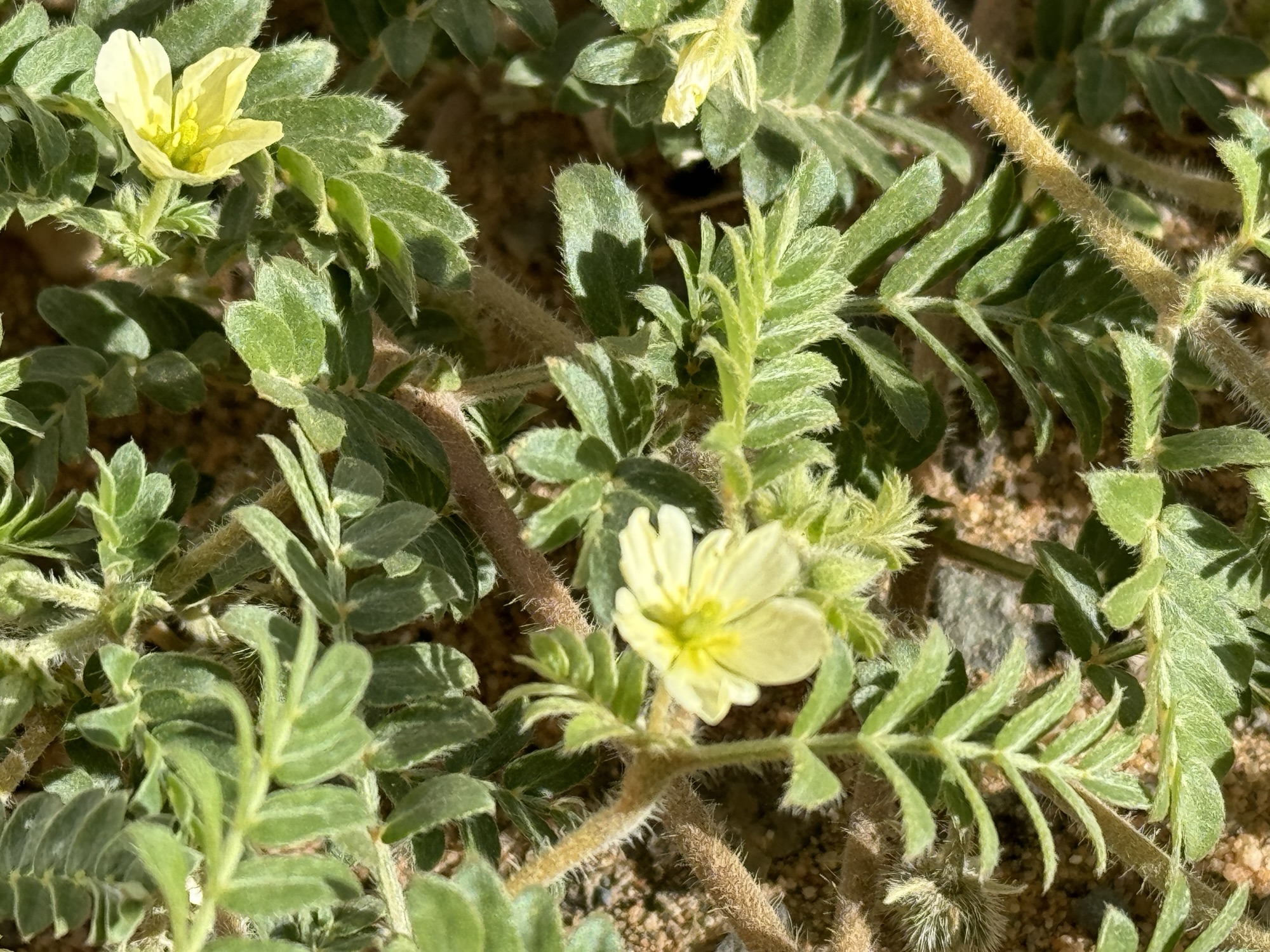
  • Tribulus terrestris

    Tribulus terrestris is an annual plant in the caltrop family (Zygophyllaceae) widely distributed around the world. It is adapted to thrive in dry climate locations in which few other plants can survive.

    It is native to warm temperate and tropical regions in southern Eurasia and Africa. It has been unintentionally introduced to North America and Australia. An aggressive and hardy invasive species, T. terrestris is widely known as a noxious weed because of its small woody fruit – the bur – having long sharp and strong spines which easily penetrate surfaces, such as bare feet or thin shoes of crop workers and other pedestrians, the rubber of bicycle tires, and the mouths and skin of grazing animals.

    In Arabia it is known as if or oji elu Although its extract has been used as a dietary supplement since the 1980s in belief that it increases testosterone levels to aid body building or sexual enhancement in men, T. terrestris did not consistently attect testosterone levels in controlled studies, has not been proven to be safe, and may adversely interact with prescription drugs. High-quality research on T. terrestris extract has not been conducted, and no reviews indicate that it has strength-enhancing properties, or anabolic steroid effects for use as a bodybuilding supplement or sexual enhancement.The Australian Institute of Sport discourages athletes from using T. terrestris supplements.

    T. terrestris is used as a tonic and is supposed to enhance potency. This effect was demonstrated in laboratory studies in rats. The animals also gained weight. Further research showed an increase in androgen receptors in the rat brain.

  • Under the Patronage of HRH the Crown Prince: Champions Crowned at the 7th Crown Prince Camel Festival in Taif

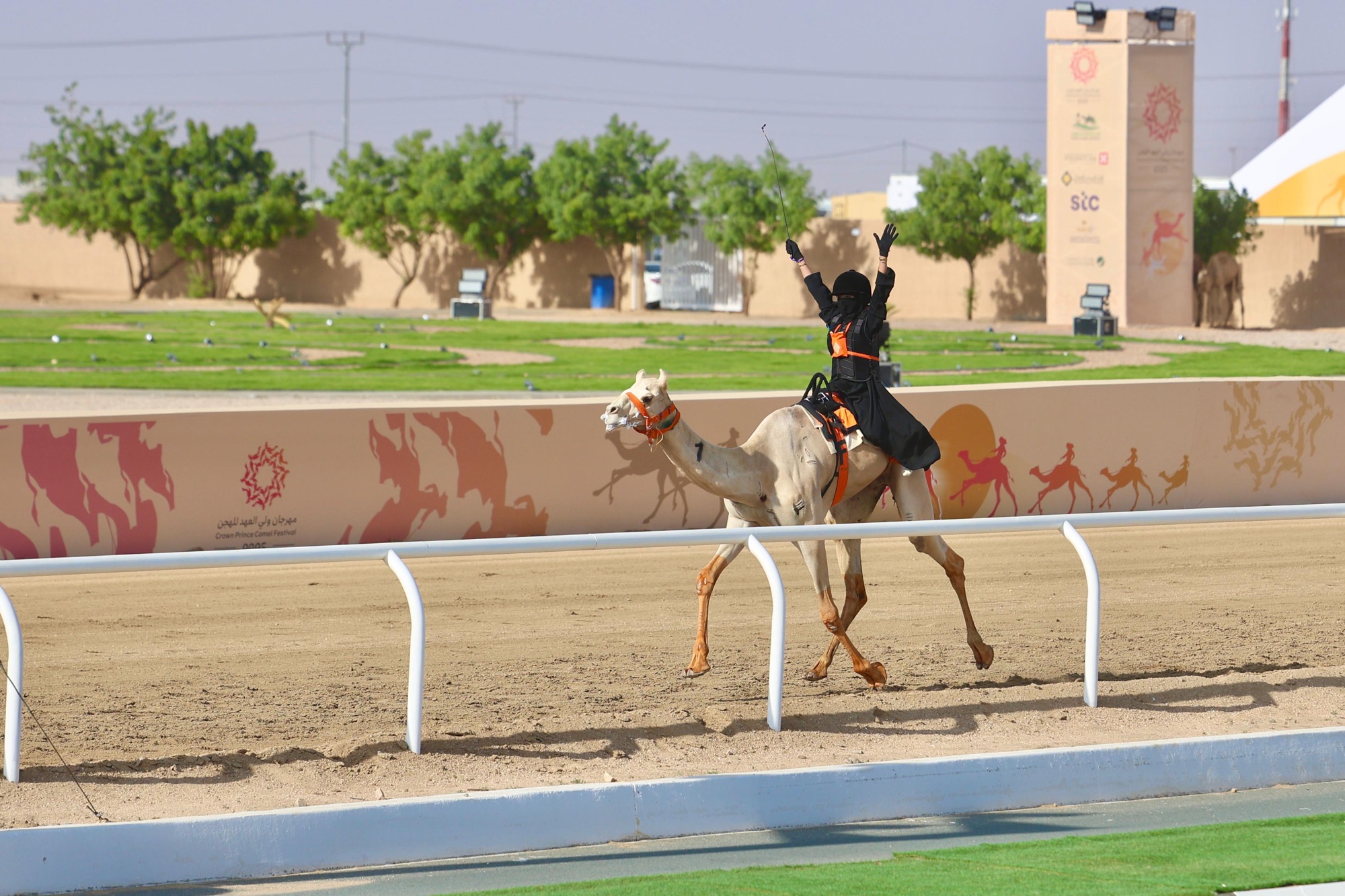
    The historic Taif Camel Racing Track hosted the grand finale of the 7th edition of the Crown Prince Camel Festival, held under the patronage of His Royal Highness Prince Mohammed bin Salman bin Abdulaziz Al Saud, Crown Prince and Prime Minister. Organized by the Saudi Camel Federation, the closing ceremony was attended by His Royal Highness Prince Saud bin Mishal bin Abdulaziz Al Saud, Deputy Governor of the Makkah Region, who crowned the winners of this year’s prestigious competition.

    Thrilling Final Races

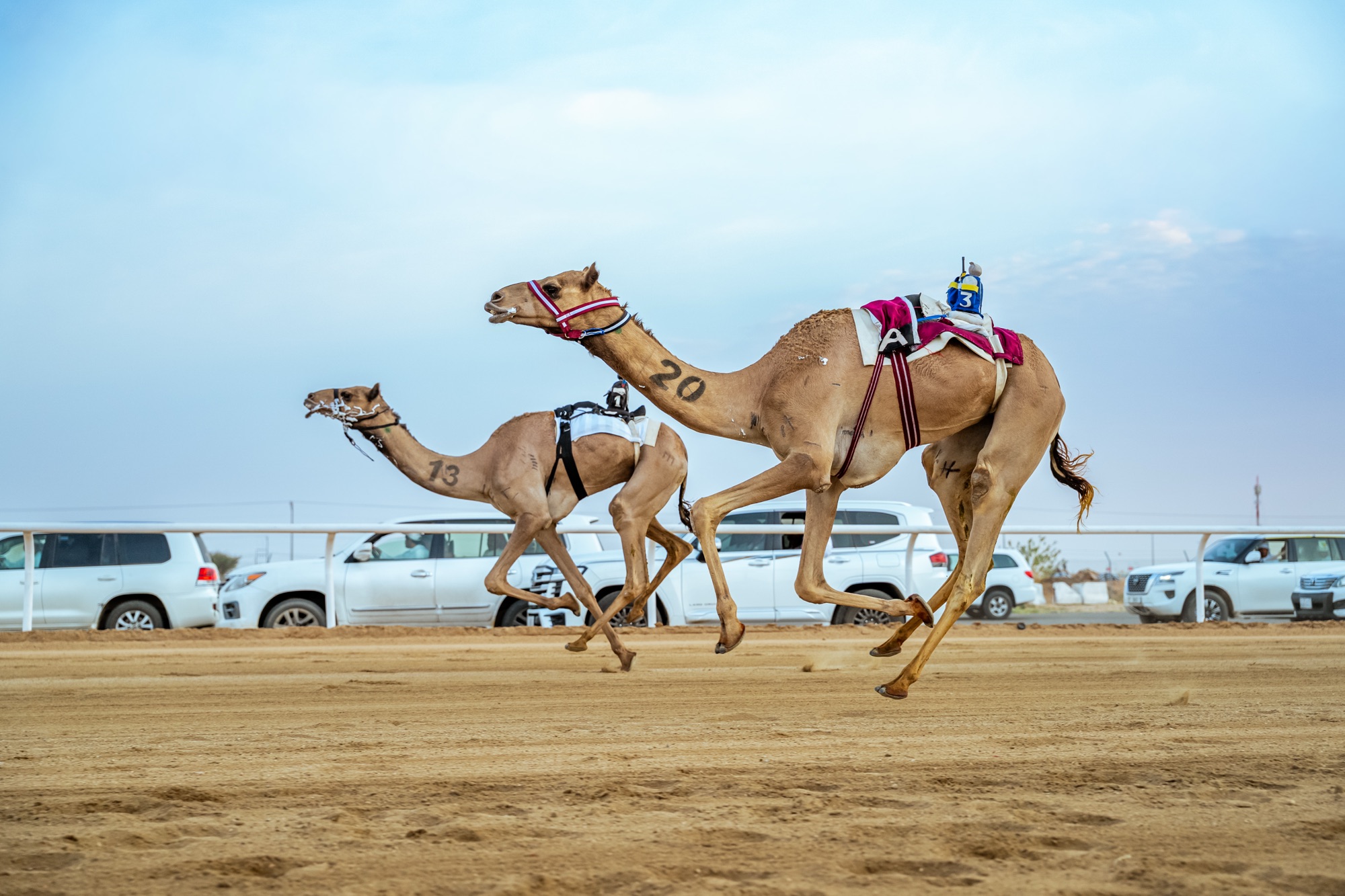
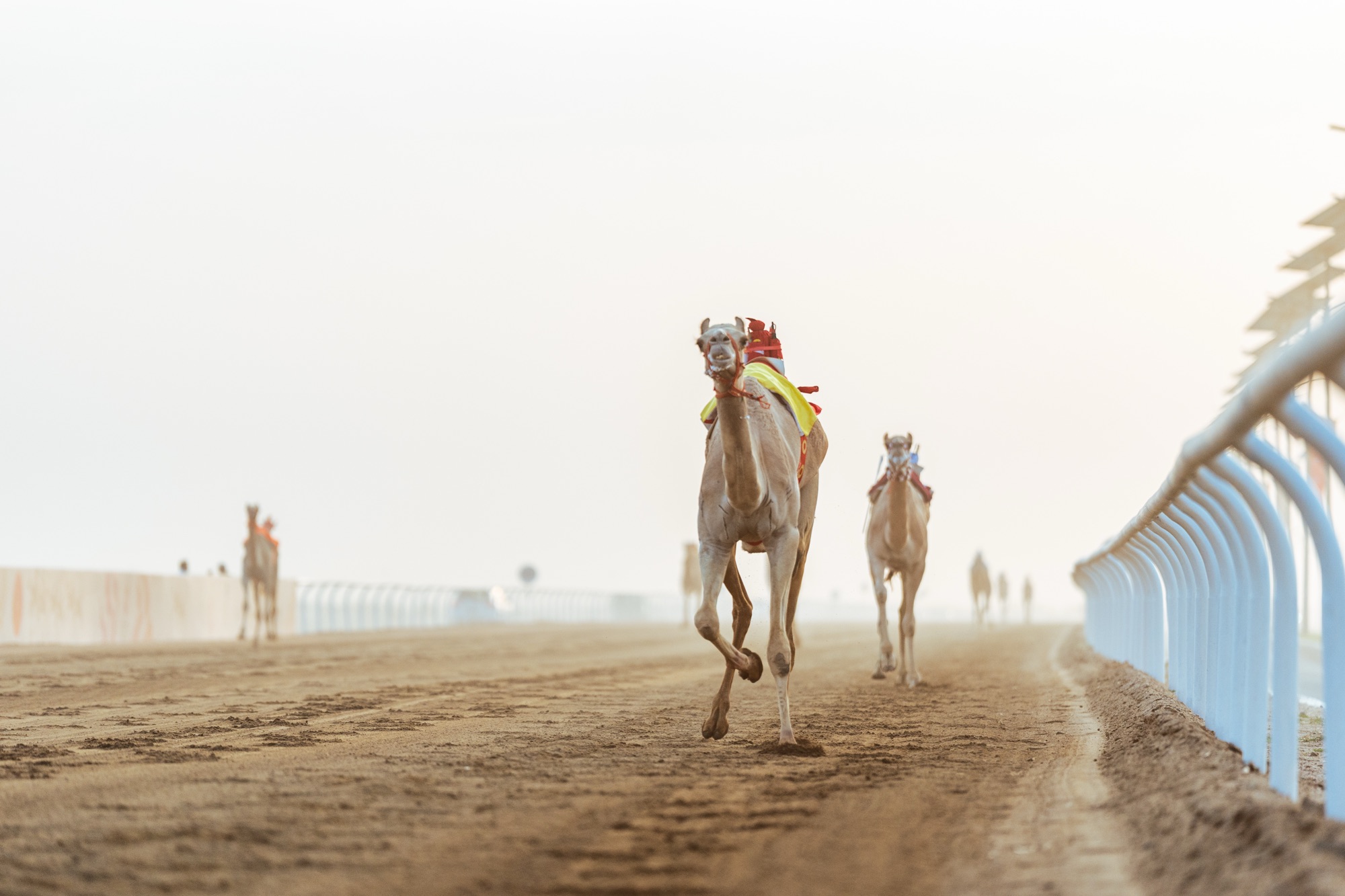
    The closing day featured four heats over a 6-kilometer distance, with 100 elite camels competing for glory. Owners from Saudi Arabia, Qatar, and across the Gulf brought their finest racing camels, intensifying the atmosphere of rivalry and heritage. With total prizes exceeding 50 million SAR, the festival once again demonstrated its global stature as one of the richest and most competitive camel racing events in the world.

    Final Day Winners

    First Heat (Zamoul – General): Sayyaf owned by Saudi racer Mohammed Jarallah Al-Marri – Prize: 1 million SAR + a rifle Second Heat (Zamoul – Open): Mabhough of Al Shaqab stables, Qatar – Prize: 1 million SAR + a rifle Third Heat (Hail – General): Aryam owned by Qatari racer Faran Atiq Al-Marri – Prize: 1.5 million SAR + a sword Fourth Heat (Hail – Open): Nashbah of Al Shaqab stables, Qatar – Prize: 1.5 million SAR + a sword

    A Celebration of Heritage and Sport

    On this occasion, HRH Prince Abdulaziz bin Turki Al-Faisal, Minister of Sports and President of the Saudi Olympic and Paralympic Committee, expressed his gratitude to the Crown Prince for his generous patronage, stressing that such support reflects the Kingdom’s deep commitment to both modern sport and cultural heritage.

    Launched on September 2nd, this year’s festival featured 249 races across all camel categories, including mafārid, ḥaqāyiq, laqāyā, jadhʿān, thanāyā, ḥīl, and zamoul. The event highlighted not only Saudi Arabia’s dominance in camel racing but also its role as a hub where tradition meets international competition.

  • Saudi Camels Dominate Ahead of Crown Prince Camel Festival Finale in Taif

    As the seventh edition of the Crown Prince Camel Festival draws to a close in Taif, the numbers tell a story of Saudi dominance. With 159 first-place finishes—56% of all heats so far—Saudi camels are leading by more than 100 wins over their closest rivals, securing three Cups and strong results in the Hijin rider races .

    Qatar sits in second with 56 wins, followed by the UAE (18), Kuwait (6), Bahrain (5), and Oman (1). The ten-day festival, featuring 249 races and more than 50 million SAR in prizes, has drawn global attention not just as a sporting event but as a cultural showcase of Saudi heritage .

    “An Eid for Camel Owners”

    For camel owners, the closing day carries immense symbolic weight. Saudi champion Hamad bin Raya, a two-time Sword of the Crown Prince winner, described the final ceremony as “the greatest namous—to shake hands with the Crown Prince and receive the sword or rifle directly from him.” Others, like Mohammed Al-Muhaidli and Faisal Al-Ghazli, emphasized how Crown Prince Mohammed bin Salman’s personal patronage has elevated camel racing from a local pastime into the world’s largest camel sport.

    Their words reflect a transformation noted by camel experts: from a pastoral animal of the desert to a multi-purpose, global symbol of culture, sport, and economics .

    Quarter-Billion Riyal Camels

    The value of the camels running in Friday’s final races is staggering. With 100 elite hails and zomools competing across four races, their combined market value exceeds 250 million SAR.

    Zamool (General) – 32 camels, worth 40+ million SAR Zamool (Open) – 16 camels, worth 45+ million SAR Hail (General) – 38 camels, worth over 100 million SAR Hail (Open) – remaining elite camels, worth 60+ million SAR

    Some individual camels are valued as high as 10 million SAR, underscoring how camel racing has become a marketplace as much as a sport .

    The Grand Finale

    On Friday, under the patronage of Crown Prince Mohammed bin Salman, the Taif track will host the four final heats of the ḥayl and zomool category. These long-distance races stretch over 24 km, with total prize money of 10.9 million SAR. Beyond cash, the coveted swords and rifles awarded to winners remain the true symbols of glory.

    The Crown Prince Camel Festival, established in 2018, has become the world’s most prestigious camel racing event, blending cutting-edge competition with heritage preservation. It embodies Saudi Arabia’s ambition to globalize its cultural sports while keeping alive the traditions of the desert  

  • Saudi Arabia Shines at Crown Prince Camel Festival: Heritage, Victories, and Record-Breaking Markets

    The Crown Prince Camel Festival 2025 in Taif has entered its final stretch, with Saudi Arabia celebrating both sporting victories and economic milestones in one of the Kingdom’s most significant heritage events.

    Saudi Victories in the Thunaya Races

    The Saudi-owned camel “Ijtiaz”, belonging to Saer Mohammed Al-Otaibi, stormed to victory in the Thunaya (four-year-old females, General category), securing the third championship cup for the Kingdom. With a winning time of 9:23.429 minutes, this marked another triumph for local owners on the historic Taif racecourse. HRH Prince Fahad bin Jalawi, Chairman of the Saudi Camel Federation, presented the trophies in a ceremony that also honored winners from Bahrain, Qatar, and the UAE.

    Over 727 camels competed across 24 heats in the Thunaya division alone, running a total distance of 144 km and sharing prize money exceeding 6.1 million SAR. The Bahraini camel “Khateera” and Qatar’s “Ubura” also impressed, while the UAE’s “Al-Aridh” captured another podium.

    Taif Municipality: Behind-the-Scenes Heroics

    Away from the racetrack, the Taif Municipality played a vital service role in ensuring smooth operations. With more than 70 tons of waste removed daily, 43 workers deployed around the grounds, and continuous efforts in sanitation, landscaping, and road management, the Municipality’s work helped guarantee a world-class experience for visitors. Their role extended to controlling unauthorized fodder markets, supporting environmental health, and installing 30 digital screens around the festival grounds to broadcast content.

    Camel Market: Over 200 Million SAR in Deals

    If the races display the heart of camel culture, the sidelines show its economic power. This year’s edition witnessed camel sales surpassing 200 million SAR ($53 million), cementing the Taif festival’s reputation as the largest and most valuable camel market in the world. Deals for promising young camels reached 1.5–2 million SAR per animal, particularly in the Mafarid and Haqayeq age groups, underlining the market’s role as the true barometer of camel values across the Arabian Peninsula.

    Final Races: Heil and Zumool

    The festival concludes with the elite Heil and Zumool categories, the pinnacle of camel racing. Across 20 heats on Thursday and four championship finals on Friday, camels will cover distances up to 24 km, competing for prizes worth 12.6 million SAR. These grand finales will determine the ultimate champions of the seventh edition of the Crown Prince Camel Festival.

    A Festival Beyond Sport

    Beyond the racetrack, the festival is a showcase of Saudi heritage, where camels—animals once central to desert survival—have become symbols of culture, sport, and economic vitality. As experts note, camels today are no longer just “ships of the desert,” but part of a growing global economy, providing milk, meat, sport, and tourism value .

    From record crowds to record camel sales, the Crown Prince Camel Festival continues to prove why Taif is the beating heart of the camel racing world—where tradition, pride, and modern sport meet under the Saudi sun.

  • Barraq Claims Saudi’s Second Cup as Crown Prince Camel Festival Blends Heritage and High Stakes

    Taif, Saudi Arabia — September 9, 2025

    In a stunning performance that defied predictions, the Saudi-owned camel Barraq, trained by Ibrahim Mish‘an Al-‘Amir from Najran, clinched victory in the Cup of the Crown Prince Camel Festival 2025 for the Jadhāʿ category (qaʿdān – general). Barraq clocked a winning time of 7:54.720 minutes, earning Saudi Arabia its second festival cup.

    The awards ceremony at the historic Taif Camel Track was presided over by HRH Prince Fahd bin Jalawi bin Abdulaziz bin Musaid, Chairman of the Saudi Camel Federation, who crowned the winning owners of the Jadhāʿ Cup. Across the heats, Saudi, Emirati, and Qatari camels each secured major titles, highlighting the event’s intensely competitive and pan-Gulf flavor.

    Among other highlights:

    Bayyah of HH Sheikh Ahmed bin Mohammed bin Rashid Al Maktoum (UAE) won the Bikār Open Cup in 7:40.520 minutes – the fastest time recorded in the Jadhāʿ category. Jah of Al-Shaḥḥaniyah stables (Qatar) claimed the Qaʿdān Open Cup in 7:42.647 minutes. Fayḍ of Emirati owner Saeed Manan Ajtbi secured the Bikār General Cup in 7:49.620 minutes.

    In total, 1,254 camels raced across 40 heats, covering 200 kilometers, with ₩7.82 million SAR in prize money distributed to the top finishers.

    Cultural Heritage on the Trackside

    For the first time, the festival incorporated performances of al-Majrūr al-Ṭāʾifī – a traditional art of Taif that combines poetry, song, and rhythmic drumming, recognized by UNESCO as intangible cultural heritage. Festival-goers experienced this heritage showcase during the Cup days, echoing how the festival previously highlighted the Taif rose, which later gained UNESCO inscription in 2023 .

    This integration of camel sport with cultural traditions reflects the Saudi approach to heritage: racing is not just a sport, but a living cultural arena that celebrates local music, food (khubz al-mallah bread), clothing, and Taif’s architectural identity.

    Next Up: The Thanāyā Challenge

    Tomorrow, attention shifts to the Thanāyā category – the fourth of five major divisions in the festival. Over 24 heats covering 144 kilometers, camels will compete for 6.116 million SAR in prizes, including the prestigious Crown Prince Festival Cups for Bikār (open & general) and Qaʿdān (open & general). Morning sessions begin at 6:30 AM, while evening races start at 3:00 PM.

    These competitions are not only a showcase of camel endurance and speed, but also a vital arena for Saudi Arabia’s investment in the future of camel sports – aligning with Vision 2030 goals to expand sports, tourism, and cultural industries .

    Camels: From Heritage to Future

    The Crown Prince Camel Festival is more than racing. It is a stage where biology, economy, and culture intersect. Camels, once essential desert companions, are now part of an evolving global sector. As studies highlight, camel products like milk, meat, and wool are entering international markets while camel sports draw global audiences .

    By blending al-Majrūr with world-class racing, the festival shows how Saudi Arabia is turning a once-local tradition into a global cultural and sporting brand.

  • Saudi Camels Dominate Jidhāʿ Races on Day Seven in Taif

    Taif, Saudi Arabia – The seventh day of the Crown Prince Camel Festival 2025 delivered another powerful performance from Saudi Arabia, as local camels swept to victory in the Jidhāʿ (جذاع – jidhāʿ, two-year-old camels) category. Out of the 22 heats staged on Monday, Saudi camels claimed 15 first-place finishes, reaffirming their dominance in one of the festival’s most competitive divisions.

    Results Snapshot

    The Jidhāʿ category, which carries a prize pool of 7.82 million SAR, saw strong international participation:

    🇸🇦 Saudi Arabia – 15 wins 🇶🇦 Qatar – 4 wins 🇰🇼 Kuwait – 2 wins 🇦🇪 UAE – 1 win

    A total of 837 camels competed across morning and evening sessions, including 565 in the morning and 272 in the afternoon. Qatar’s entry Nadd, owned by Mohammed Nasser Al-ʿAida, posted the fastest time of the day at 7:40.294 minutes to win the opening main heat.

    The Crown Prince Cups Await

    The Jidhāʿ races conclude on Tuesday with four Crown Prince Festival Cups, carrying combined prizes of 4.4 million SAR. These include two Bikār (بكار – young female camels) and two Qaʿdān (قعدان – young male camels) races, open and general divisions. Winners of the Bikār Cups will take home 700,000 SAR each, while Qaʿdān champions will claim 500,000 SAR each.

    Heritage in Competition

    The Jidhāʿ age group has long been regarded as a decisive stage in a racing camel’s development — young enough to be fast, yet experienced enough to endure the rigors of competition. Its prominence in the Crown Prince Camel Festival reflects the sport’s deep connection to heritage, where age categories mirror the traditional life cycles of camel training.

    Festival at a Glance

    Now in its seventh edition, the Crown Prince Camel Festival has grown into the largest event of its kind, featuring 249 races and a record 50 million SAR in total prizes. Beyond the track, it has become an international gathering point for breeders, owners, and fans from across the Arab world, reinforcing Saudi Arabia’s role as the heart of global camel racing.

    As the Jidhāʿ champions prepare to be crowned, Taif once again shows why it is more than just a host city. It is the stage where heritage, sport, and national pride converge — carried on the backs of camels racing for glory.