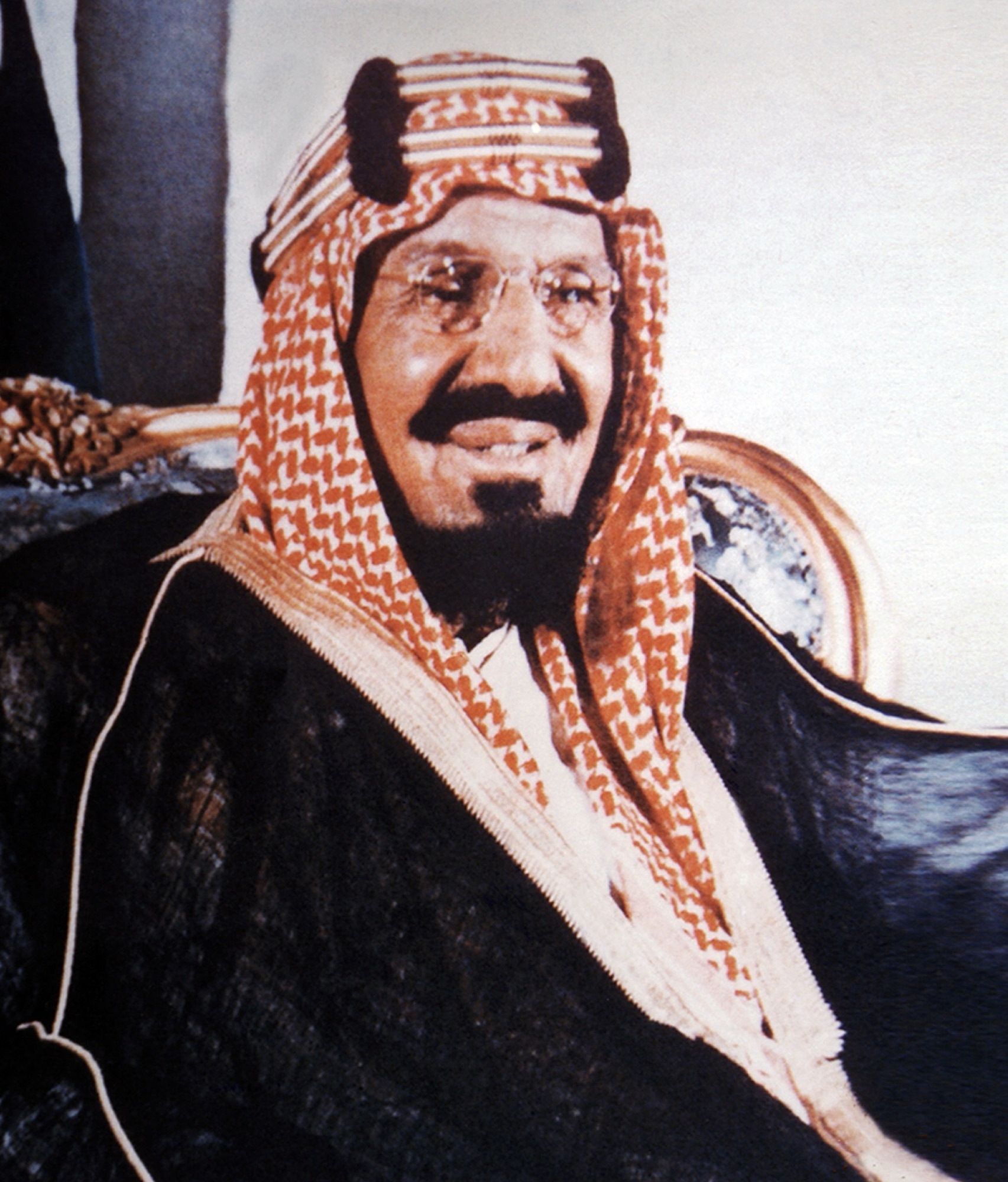
A Decree that Changed History

On 17 Jumādā al-Ūlā 1351H (19 September 1932), King Abdulaziz Al Saud issued Royal Decree No. 2716, uniting the Kingdom of Hejaz and Najd with their dependencies into the Kingdom of Saudi Arabia (al-Mamlaka al-ʿArabiyya al-Saʿūdiyya – المملكة العربية السعودية).
The decree took effect on 23 September 1932 (21 Jumādā al-Ūlā 1351H), a date that became the cornerstone of Saudi national identity.
Why No National Day at First?
For decades, this historic event was not observed as a public holiday. The Saudi calendar revolved around the two sacred Islamic feasts — ʿĪd al-Fiṭr (عيد الفطر) and ʿĪd al-Aḍḥā (عيد الأضحى). But Saudis longed for a civic commemoration, a day that celebrated their waṭan (وطن, homeland) — a word that evokes belonging, memory, and shared destiny.
ʿĪd al-Julūs: The Royal Sitting Day
Before National Day, Saudis observed ʿĪd al-Julūs (عيد الجلوس). First celebrated in 1926, it marked the allegiance of the Ḥijāz to King Abdulaziz.
Festivities included:
Special editions of Umm al-Qurā newspaper
Commemorative postage stamps
Pardons for prisoners
This royal commemoration planted the seed for a wider national celebration.
1965: The First Official National Day
It was not until 1385H / 1965 that 23 September was declared the official National Day of Saudi Arabia.
For the first time, the founding moment of the Kingdom was woven into public life — a civic holiday that stood alongside the religious festivals.
Royal Voices Across the Years
King Khalid (1978): “We must safeguard the unity and achievements of our homeland.”
King Fahd (1988): “National Day is a reminder of our role in development and renaissance.”
King Salman (present): “National Day reminds us of amān (أمان, security) and istiqarār (استقرار, stability) — blessings we must preserve.”
Each king reinterpreted National Day for his era, turning it into a living tradition of memory, pride, and responsibility.
National Day Today: Vision 2030 in Action
In the era of Vision 2030, National Day has transformed into a grand cultural spectacle:
Fireworks over Riyadh, Jeddah, and Dammam
Air shows and parades
ʿArḍa (العرضة) sword dances
Concerts and exhibitions across the Kingdom
It is no longer only about 1932 — it is about celebrating the Kingdom’s unity, security, and renewal in the present.
Vocabulary of Belonging
Arabic Word Arabic Script Pronunciation Meaning
al-Yawm al-Waṭanī اليوم الوطني al-yawm al-waṭa-nī National Day
waṭan وطن wa-ṭan Homeland
turāth تراث too-rāth Heritage
amān أمان a-mān Security, peace
istiqarār استقرار is-ti-qa-rār Stability
Beyond a Date
Saudi National Day is not just a holiday. It is a bridge across generations — from the unification of 1932 to the cultural renaissance of today.
Each 23 September, Saudis renew their oath of belonging: to preserve their homeland, honor their heritage, and carry forward the vision of a Kingdom that endures, prospers, and inspires.
Leave a Reply