Taif, Saudi Arabia — September 9, 2025

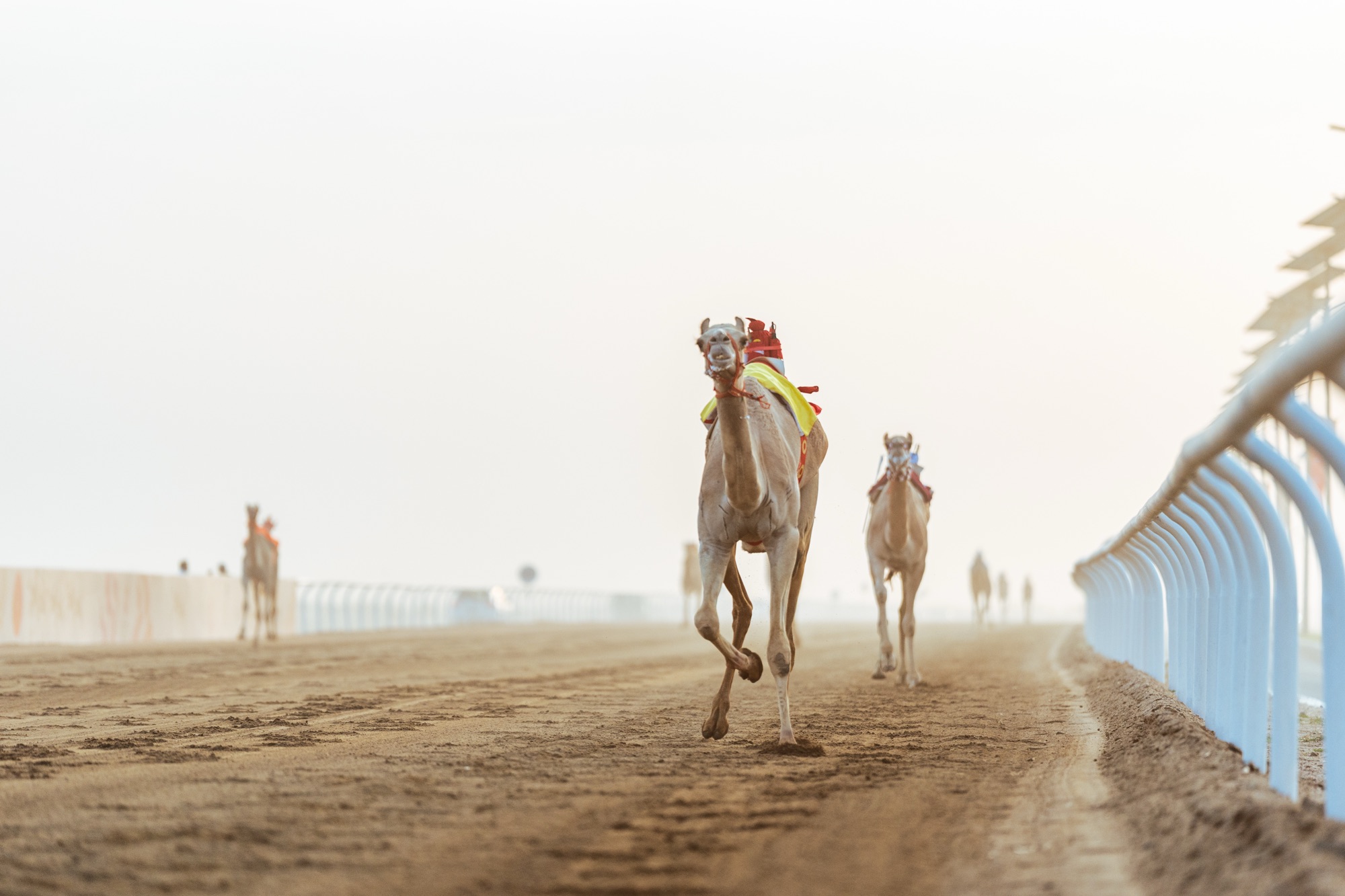
In a stunning performance that defied predictions, the Saudi-owned camel Barraq, trained by Ibrahim Mish‘an Al-‘Amir from Najran, clinched victory in the Cup of the Crown Prince Camel Festival 2025 for the Jadhāʿ category (qaʿdān – general). Barraq clocked a winning time of 7:54.720 minutes, earning Saudi Arabia its second festival cup.

The awards ceremony at the historic Taif Camel Track was presided over by HRH Prince Fahd bin Jalawi bin Abdulaziz bin Musaid, Chairman of the Saudi Camel Federation, who crowned the winning owners of the Jadhāʿ Cup. Across the heats, Saudi, Emirati, and Qatari camels each secured major titles, highlighting the event’s intensely competitive and pan-Gulf flavor.
Among other highlights:
Bayyah of HH Sheikh Ahmed bin Mohammed bin Rashid Al Maktoum (UAE) won the Bikār Open Cup in 7:40.520 minutes – the fastest time recorded in the Jadhāʿ category. Jah of Al-Shaḥḥaniyah stables (Qatar) claimed the Qaʿdān Open Cup in 7:42.647 minutes. Fayḍ of Emirati owner Saeed Manan Ajtbi secured the Bikār General Cup in 7:49.620 minutes.

In total, 1,254 camels raced across 40 heats, covering 200 kilometers, with ₩7.82 million SAR in prize money distributed to the top finishers.
Cultural Heritage on the Trackside
For the first time, the festival incorporated performances of al-Majrūr al-Ṭāʾifī – a traditional art of Taif that combines poetry, song, and rhythmic drumming, recognized by UNESCO as intangible cultural heritage. Festival-goers experienced this heritage showcase during the Cup days, echoing how the festival previously highlighted the Taif rose, which later gained UNESCO inscription in 2023 .

This integration of camel sport with cultural traditions reflects the Saudi approach to heritage: racing is not just a sport, but a living cultural arena that celebrates local music, food (khubz al-mallah bread), clothing, and Taif’s architectural identity.

Next Up: The Thanāyā Challenge
Tomorrow, attention shifts to the Thanāyā category – the fourth of five major divisions in the festival. Over 24 heats covering 144 kilometers, camels will compete for 6.116 million SAR in prizes, including the prestigious Crown Prince Festival Cups for Bikār (open & general) and Qaʿdān (open & general). Morning sessions begin at 6:30 AM, while evening races start at 3:00 PM.
These competitions are not only a showcase of camel endurance and speed, but also a vital arena for Saudi Arabia’s investment in the future of camel sports – aligning with Vision 2030 goals to expand sports, tourism, and cultural industries .
Camels: From Heritage to Future
The Crown Prince Camel Festival is more than racing. It is a stage where biology, economy, and culture intersect. Camels, once essential desert companions, are now part of an evolving global sector. As studies highlight, camel products like milk, meat, and wool are entering international markets while camel sports draw global audiences .

By blending al-Majrūr with world-class racing, the festival shows how Saudi Arabia is turning a once-local tradition into a global cultural and sporting brand.
Leave a Reply