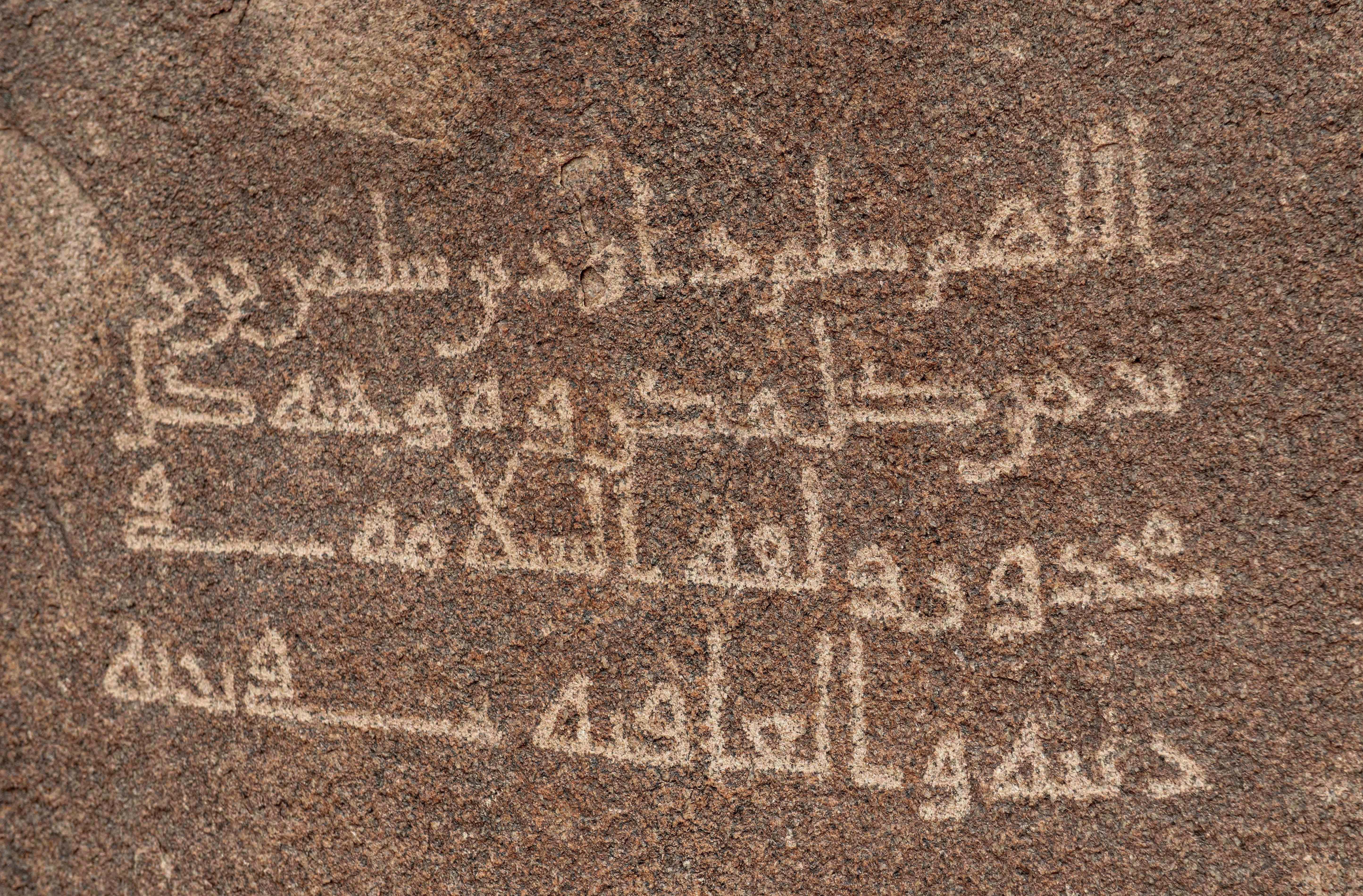

Numbers can tell stories if we listen closely. The latest figures on Saudi Arabia’s cultural heritage—9,119 registered archaeological sites, 28,000 registered urban heritage sites, 8,644 artisans under the Commission, 8 UNESCO World Heritage Sites, and 16 cultural heritage elements inscribed with UNESCO—are not simply data points. They are signposts in an ongoing national project to define identity, preserve memory, and share heritage with the world.

From Margins to Center: Changing the Narrative on Saudi Heritage
For much of the 20th century, the prevailing consensus about Saudi Arabia’s heritage was muted. To the outside world, Arabia was often reduced to two narratives: oil and pilgrimage. Its cultural landscapes, crafts, and deep archaeological record were overlooked, sometimes dismissed as peripheral to “greater” civilizations in Mesopotamia, Egypt, or the Levant. Within the Kingdom, modernization often meant sidelining traditional architecture, oral traditions, and crafts in favor of steel, glass, and imported ideals of progress. Heritage existed, but it was underappreciated, underfunded, and largely invisible to both global and local audiences.

What has shifted in the past two decades is not just policy but philosophy. Saudi Arabia now treats heritage as a cornerstone of national identity and an asset with global resonance. The registration of thousands of sites and the recognition of living traditions represent a deliberate reversal of that earlier consensus. The Kingdom is no longer content with being defined solely by oil or religion—it is rewriting its place in history by reclaiming and projecting its cultural depth.
A Land of Deep Time
One of the most striking reminders of Saudi Arabia’s ancient roots comes from AlUla, a region whose human story reaches back at least 200,000 years. Archaeological surveys have uncovered stone tools and settlements that trace a continuum of human presence across shifting climates and civilizations. From early hunter-gatherers to the monumental tombs of the Nabataeans at Hegra, AlUla encapsulates the Kingdom’s layered history—prehistoric, classical, and Islamic—compressed into a single landscape. To speak of Saudi heritage, then, is not to speak of centuries but of hundreds of millennia.

Archaeological Sites: Echoes of Forgotten Civilizations
Over 9,000 registered archaeological sites reveal the depth of Arabia’s human history, stretching far beyond the modern state. Each site—whether a petroglyph in the north, an ancient oasis settlement, or a burial mound along the coast—serves as a fragment of collective memory. To catalog them is not merely an academic exercise; it is an acknowledgment that the land itself is a living archive of human migration, trade, and belief systems.

Urban Heritage Sites: Continuity of Everyday Life
The 28,000 registered urban heritage sites tell a different story—one of lived traditions, architecture, and community. Unlike archaeological ruins, these sites are tied to continuity: mudbrick homes, traditional souqs, and mosques that still breathe with activity. They are a record of how Saudis adapted to their environment, embedding social structures into stone, wood, and plaster. Cataloging these sites represents an effort to keep memory alive not as relic but as lived experience.
Artisans: Guardians of Intangible Heritage
Nearly 8,644 artisans are now registered with the Commission. In anthropology, artisanship is often described as “embodied knowledge”—skills carried in muscle memory, not just written manuals. Whether weaving, pottery, or sword-making, these crafts are a dialogue across generations. Registering artisans is thus more than bureaucracy—it is a form of safeguarding against cultural amnesia, ensuring that craft remains tied to its social context rather than becoming mere souvenirs.
UNESCO Sites: Global Recognition
Saudi Arabia’s 8 UNESCO World Heritage Sites—from Hegra to the At-Turaif District—place the Kingdom within a global conversation. UNESCO inscription is never simply about preservation; it is about recognition, positioning sites as shared human heritage. For Saudi Arabia, this signals a shift from inward-looking guardianship to outward-facing cultural diplomacy.
Cultural Elements: Living Traditions on the World Stage
The 16 cultural heritage elements inscribed with UNESCO—such as Al-Ardah (the traditional sword dance) or falconry—demonstrate that heritage is not only about stones and ruins but also about rhythm, sound, ritual, and movement. These are living practices, evolving with each performance, yet codified now in international memory.
Heritage as Strategy
Seen together, these numbers reflect more than preservation—they reflect a strategy. Saudi Arabia is not only cataloging its past but weaving it into the fabric of its future. In anthropology, heritage work is often viewed as a negotiation: between modernity and tradition, between national identity and global visibility. Here, the Kingdom’s massive heritage registration projects reveal a conscious attempt to ground rapid transformation in deep time.
Conclusion: Counting as Care
To count heritage is to care for it. Whether it’s the 9,119th archaeological site or the 8th UNESCO inscription, each figure is a marker of intentionality. As an amateur anthropologist, what strikes me most is that these numbers are not static—they will grow, shift, and multiply. And in that growth lies the story of a nation re-discovering itself, using the tools of archaeology, craft, and culture to shape its place in history.
Leave a Reply