AmericanBadu

Blog about the natural & cultural heritage of Saudi Arabia

I’m Joshua Van Alstine — an American writer and researcher living and working in Saudi Arabia. I document the natural and cultural heritage of the Arabian Peninsula, from Bedouin traditions to desert ecology, camel racing, falconry, and ancient history.

Read more about AmericanBadu →

  • Saudi Riders Sweep Sabāq al-Hijānāh at Taif Festival

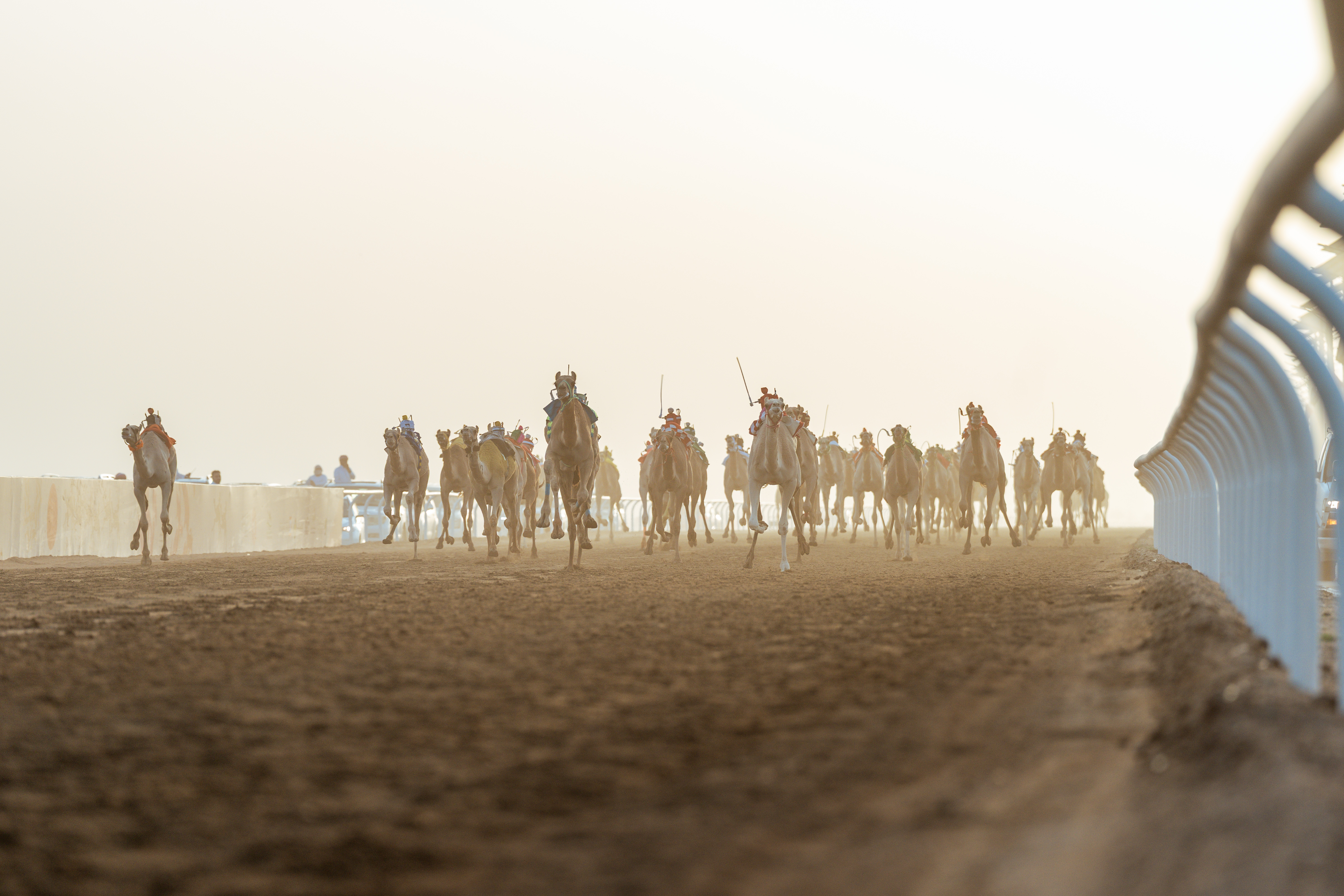
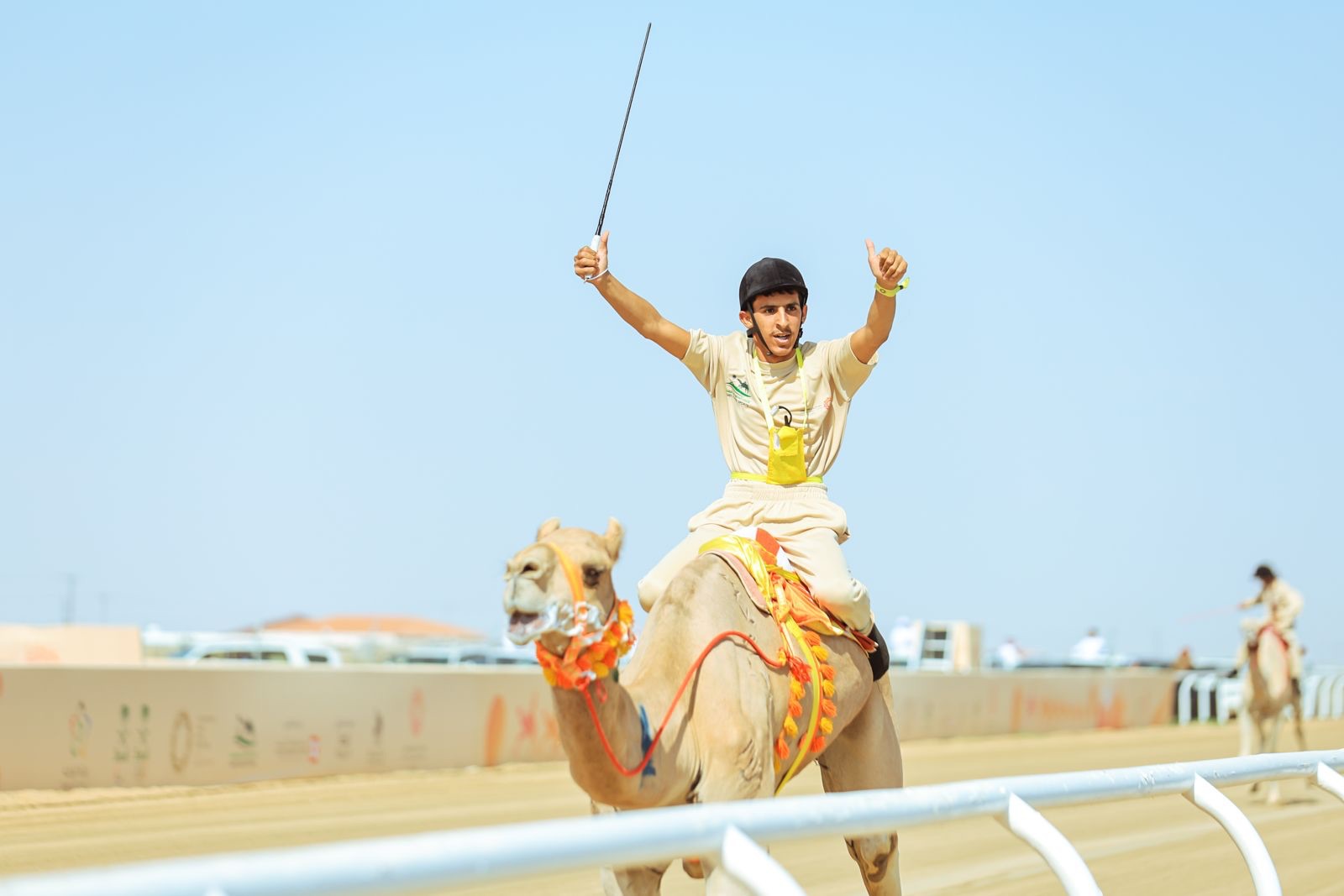
    Taif, Saudi Arabia – In a historic moment at the Crown Prince Camel Festival 2025, Saudi riders achieved a clean sweep in the “Sabāq al-Hijānāh” (human rider races) for both men and women. For the first time since the category was introduced, the Kingdom’s athletes secured every first-place finish across all heats, a milestone that cements Saudi Arabia’s growing leadership in camel sports.

    The competition, staged on the sixth day of the festival at the historic Taif racecourse, featured five heats: three men’s races over 5 km and two women’s races over 2 km. Saudi riders dominated from start to finish:

    Men’s Races Ahmed Salama Al-Juhani with his camel ʿIzz al-Jaysh – 8:54.402 Aziz Salama Al-Huwayti with Bashāyer – 8:45.405 Mohammed Eid Al-Huwayti with Shiryān – 8:55.758 Women’s Races Reema Abdullah Al-Shuwaie with Abshir – 3:14.585 Hadeel Hussein Al-Sharif with Mubashir – 3:17.950

    Each winner not only earned prize money from a total purse of 775,000 SAR but also secured direct qualification to represent Saudi Arabia at the Islamic Solidarity Games in Riyadh this November, where more than 3,000 athletes from 57 nations will compete.

    Heritage on the Track

    The “Sabāq al-Hijānāh” is more than a sporting category — it is a direct echo of the Bedouin tradition where camels were ridden into endurance contests long before the advent of modern robotic jockeys. By reviving the role of the human rider, the Saudi Camel Federation ensures that the heritage of camel racing remains visible alongside its modern professionalization.

    Women at the Forefront

    The presence and victories of female riders mark another heritage milestone. Once restricted to men, camel racing has rapidly expanded under Vision 2030 to include women at the highest levels. Their wins in Taif underscore both the continuity of tradition and the Kingdom’s commitment to making that tradition accessible to all Saudis.

    Looking Ahead

    With total prizes for the festival exceeding 50 million SAR, the Crown Prince Camel Festival is the largest and most prestigious event of its kind. But its significance runs deeper: each thunder of hooves on Taif’s sand affirms the camel’s place as a cultural pillar of Saudi identity, celebrated not only as a sporting animal but as a living symbol of heritage.

    As Saudi riders prepare for November’s international stage, Taif 2025 will be remembered as the moment when camel racing’s past and future came together in one sweep.
  • Human Jockeys Return to Taif: Men and Women Compete at the Crown Prince Camel Festival

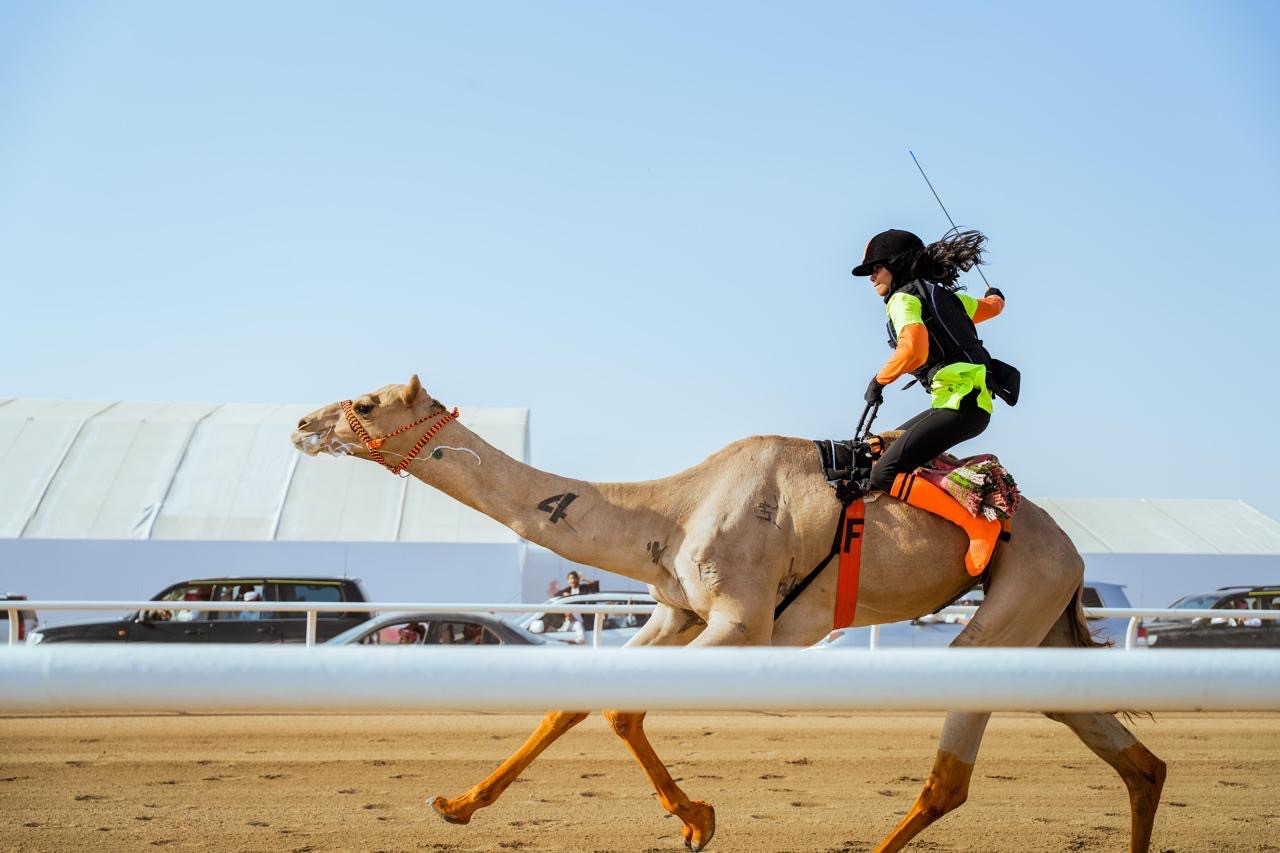
    Tomorrow marks a historic moment at the Crown Prince Camel Festival 2025 in Taif as the Human Jockey Races (Sabāq al-Hijānāh – سباق الهجانة) return to the track. For the sixth day of the festival, spectators at the historic Taif Camel Racing Track will watch 78 male and female jockeys from 8 countries compete across five heats.

    Three heats are reserved for men (5 km each), while two heats are for women (2 km each). Each winner will earn 50,000 SAR, with prizes awarded down to tenth place. Contestants include athletes from Saudi Arabia, the UAE, Oman, Kuwait, Yemen, Bahrain, Algeria, and the UK.

    Al-Qahtani Eyes Back-to-Back Victories

    Among the most anticipated entries is Saudi champion Salem Al-Qahtani, who won the festival’s premier human jockey race last year with his camel Al-ʿĀbir (“The Crosser”). He clocked 7:19.753 minutes in the 2024 edition.

    “This year the competition will be tougher,” Al-Qahtani admitted, noting how rivals have stepped up their preparation. “But keeping the title is more difficult than winning it the first time. The joy of being congratulated last season by Prince Fahad bin Jalawi is still my greatest motivation.”

    Jawzaa Al-Rashidi: Breaking Barriers for Women

    For the women’s division, all eyes are on Jawzaa Al-Rashidi, a Saudi rider entering her first Crown Prince Camel Festival. A year ago, she transitioned from equestrian sports to camel racing, debuting at the Custodian of the Two Holy Mosques Camel Festival. Tomorrow, she will ride her camel Mubashirah (“The Bringer of Good News”) in the women’s final heat.

    “We train together as a team of Saudi female jockeys, pushing each other to improve,” Al-Rashidi explained. “The Saudi Camel Federation has provided us with excellent facilities and constant support. I encourage every girl who loves camels to take this opportunity—don’t hesitate.”

    A Tradition in Motion

    Camel scientists such as Bernard Faye describe the animal as “the most multipurpose of all domestic species”, serving roles in transport, food production, sport, and heritage . Today, Saudi Arabia is at the forefront of transforming this heritage into a modern, inclusive sport.

    In fact, the women’s international heat—first introduced in 2021—was a breakthrough moment, and tomorrow’s races continue that trajectory. With over 50 million SAR in total festival prizes, Taif has become the world’s premier stage where ancient tradition meets modern sporting ambition.

    As Al-Rashidi put it: “This is more than competition—it’s writing our names into history alongside the camels.”

  • Day 4: Saudi Camels Shine in Laqāyā as Taif Festival Bridges Sport and Culture

    Taif – September 6, 2025

    The Crown Prince Camel Festival 2025 entered its fourth day with Saudi Arabia extending its dominance in the Laqāyā (لقايا – laqāyā, camels around 3 years old) category, while experts and officials highlighted the cultural and global significance of the event.

    Saudi Sweep in Laqāyā

    Saudi-owned camels stormed through the Laqāyā heats, capturing 30 out of 33 races, leaving only two wins for the UAE and one for Qatar. A total of 1,438 camels competed across morning and evening sessions at the historic Taif track.

    The standout performance came from “Al-Muttaḥid” (المتحد – al-muttaḥid), owned by Abdulrahim Hamad Al-ʿAnmi, who set the fastest time of the day in the 12th morning heat at 6:04.346 minutes.

    With the Ḥaqāyq (حقايق – ḥaqāyiq, 2-year-olds) already completed earlier in the week, Saudi Arabia leads the festival’s overall tally with 97 wins and two Cups, followed by Qatar, the UAE, Bahrain, and Kuwait.

    Tomorrow marks the climax of the Laqāyā division with four Crown Prince Cups:

    Bikār (بكار – fillies) Open & General Cups – total prize money 1.275 million SAR per heat, including 700,000 SAR for first place. Qaʿdān (قعدان – colts) Open & General Cups – total prize money 925,000 SAR per heat, including 500,000 SAR for first place.

    Expert Analysis: The Prestige of Laqāyā

    Camel racing expert Abdullah Al-Sharif stressed that Laqāyā is one of the most prestigious divisions in the sport. “The Cups in this category are the most important for elite owners,” he explained. “That’s why there is so much investment in buying ḥaqāyiq camels to prepare them for Laqāyā.”

    He added: “Laqāyā is beloved because the camels continue to race for many years, moving up to higher categories each season. Owners see this as a long-term journey of records and achievements.”

    On tomorrow’s finals, Al-Sharif predicted fierce competition: “I expect the trophies to be shared between Saudi Arabia, the UAE, and Qatar. The quality herds are spread across these countries, and the Cups will be closely contested.”

    A Cultural Showcase to the World

    Beyond the track, the festival has become a cultural and economic force. Dr. Mardhi Al-Khumʿali, spokesman for the Saudi Camel Federation, emphasized that the event has successfully marketed authentic Arab culture worldwide.

    “This festival is no longer just a sporting event,” he said. “It is an economic, social, and cultural movement. Under the patronage of His Royal Highness the Crown Prince, camel racing has become a platform to showcase the heritage of Saudi Arabia and the Gulf to international audiences.”

    Held each summer in Al-ʿArfāʾ, east of Taif, the festival coincides with the maqīḍ (مقيض – the seasonal gathering place for camel owners). The site has become a hub for leading camel owners, trainers, and racing teams, blending tradition with modern professionalism.

    Since its launch seven years ago, the festival has recorded over 100,000 camel entries, multiple Guinness World Records, and an economic impact that extends from tourism and transport to agriculture and trade. “No one could have imagined camel racing would one day become a subject of international attention,” Dr. Al-Khumʿali concluded, “but this is the fruit of the Crown Prince’s vision.”

  • 🐪 Day 3 Updates | Crown Prince Camel Festival 2025

    Ajeeb storms to victory as ḥaqāyq (حقايق – ḥaqāyq, 2-year-olds) finals conclude in Taif

    The third day of the Crown Prince Camel Festival 2025 in Taif ended with a spectacular finish, as Saudi-owned camel “Ajeeb” (عجيب), trained by Salman Ubayd Al-Dosari, clinched the Colts (قعدان – qaʿdān, young males) Cup (ʿĀm – General) with an impressive time of 2:53.788 minutes.

    Royal recognition

    The awards ceremony was led by HRH Prince Fahad bin Jalawi bin Abdulaziz bin Musaed, Chairman of the Saudi Camel Federation, who crowned the winners of the ḥaqāyq category. Victories were celebrated across four nations: Saudi Arabia, the UAE, Qatar, and Bahrain.

    National standings after Day 3

    Following three days of intense competition in the first festival category:

    🇸🇦 Saudi Arabia: 1 Cup + 67 wins 🇶🇦 Qatar: 1 Cup + 20 wins 🇦🇪 UAE: 1 Cup + 3 wins 🇧🇭 Bahrain: 1 Cup + 1 win 🇰🇼 Kuwait: 1 win

    Notable champions in the ḥaqāyq finals

    Al-Juthub (الجذوب) – Qatar 🏆 Fillies (بكار – bikār, young females) Open (مفتوح – maftūḥ), 2:55.617 Al-Saree’ (السريع) – Bahrain 🏆 Colts (قعدان – qaʿdān) Open (مفتوح – maftūḥ), 2:49.075 (fastest time of the category) Al-Zafrah (الظفرة) – UAE 🏆 Fillies (بكار – bikār) General (عام – ʿām), 2:54.674

    A festival of heritage and global sport

    Since its inception in 2018, the Crown Prince Camel Festival has become the world’s leading camel racing event. With nearly 250 heats and 50 million SAR in prizes this year alone, the festival is more than competition — it is a platform for preserving and celebrating turāth (تراث – heritage).

    The event also highlights the unique culture of hijīn (هجن – racing camels), bringing together owners, trainers, and fans from across the Arab world while strengthening Saudi Arabia’s identity, economy, and tourism.

  • Saudi Camels Lead the Way at Crown Prince Camel Festival 2025

    Taif, Saudi Arabia — The second day of the Crown Prince Camel Festival 2025 at the historic Taif racecourse confirmed what fans already suspected: Saudi camels are in unstoppable form. Competing in the ḥaqāyq (haqaiq, “yearling”) category, Saudi stables claimed 20 of the 31 heats, pushing their total wins in the opening days to 45 victories. Qatar followed with 15 wins, while the UAE and Kuwait each secured one.

    With 1,458 racing camels across morning and evening sessions, the atmosphere was both electric and fiercely competitive. The standout came from Qatar’s camel Al-Ṭayyārah (“The Aircraft”), clocking a blistering 2:54.803 minutes over 2 km — beating the festival’s opening-day record of 3:02.066 set by Saudi Arabia’s Waṭan (“Nation”).

    A Festival of Records and Heritage

    Since its launch in 2018, the Crown Prince Camel Festival has become a cornerstone of Saudi Arabia’s sporting calendar. By the close of day one this year, the festival passed a historic milestone: more than 100,000 camels have now competed since inception, a feat recognized by Guinness World Records in previous editions.

    The festival doesn’t just celebrate speed — it embodies Saudi Arabia’s commitment to preserving camel heritage as part of national identity. The 2025 edition features 249 races with total prize money exceeding 50 million SAR. Tomorrow, the stakes rise further with the prestigious Crown Prince Cups, golden trophies handcrafted in Italy, weighing up to 5 kilograms and designed to blend the symbols of Taif’s famed roses with the racing camel.

    Why the Camel Matters Beyond the Track

    For centuries, camels have been more than racing animals. In Saudi culture they are symbols of endurance, loyalty, and survival. Globally, scholars note that camel breeding has shifted from a marginal practice to a vital sector responding to climate change and food security needs. Camel milk, for instance, is gaining traction as a superfood for its high vitamin C and antibacterial proteins, while camel meat is valued for being lean and rich in polyunsaturated fatty acids.

    Veterinary experts also highlight the camel’s extraordinary physiology — from tolerating drought to producing unique “heavy-chain antibodies” with medical potential. These insights explain why the camel is celebrated as both a cultural treasure and a biological marvel.

    A Future in Motion

    The Crown Prince Camel Festival is more than a race. It is a meeting ground for heritage and innovation — from the high-tech timing systems and international participation to the preservation of Arabic racing categories like ḥaqāyq and qaʿdān (young males). Each stride on the Taif sand reinforces the Kingdom’s vision of camels as central to its culture, economy, and global image.

    As tomorrow’s Cup races begin, one truth is certain: in Saudi Arabia, the camel is not only the “ship of the desert” — it is the heartbeat of a nation in motion.

  • Opening Day at the Crown Prince Camel Festival 2025
    Prince Fahad bin Jiluwy and Prince Sultan Bin Saud

    The Crown Prince Camel Festival in Taif launched its seventh edition with an electrifying start on the historic Taif track, where heritage and competition collided in spectacular fashion.

    On Day One, the spotlight fell on the ḥaqāyiq class (فئة الحقايق, fi’at al-haqāyiq), the youngest category of racing camels. A total of 31 heats (أشواط, ashwāt) were contested over a 2 km course, featuring an impressive 1,495 camels across both morning and evening sessions. Each شوط (shawt, heat) is a standalone race, and together they formed a full day of relentless action.

    Saudi Dominance on the Track

    Saudi-owned camels captured 25 of the 31 أشواط (ashwāt), a commanding 80.6 percent win rate. Qatar secured four victories, while the UAE and Kuwait each claimed one. The fastest run of the day came from Watan (وطن, Watan), owned by Khalil Salem Al-Bateen, finishing the 2 km in just 3 minutes 2.066 seconds—an average speed of 39.5 km per hour. The prestigious opening شوط (shawt) title went to Spark (سبارك, Spark), owned by Rashid Assaf Al-Shammari.

    Scale and Prestige

    This year’s festival features a staggering 249 أشواط (ashwāt) overall, including five hajānā races (سباقات للهجانة, sabāqāt lil-hajānā) for both men and women. The total prize pool exceeds 50 million SAR, underscoring how camel racing in Saudi Arabia has evolved from a local pastime into a professionally structured heritage sport with international attention.

    Heritage Meets Economy

    The festival is not only a sporting event but also a cultural and economic driver. Local hotel and housing occupancy surged by 120 percent, particularly in Al-Hawiyah (الحوية, al-ḥawiyah), Al-‘Urfā (العرفاء, al-‘urfā), and Ashayrah (عشيرة, ‘ashīrah). Seasonal employment rose, transport and feed sales spiked, and fruit vendors on the Taif–Al-Shafā (الشفا, al-shafā) roads reported booming sales.

    Heritage at Work

    Since its inception in 2018, the Crown Prince Camel Festival has not only celebrated a centuries-old tradition but also modernized it with professional organization, international coverage, and innovation. Camel racing here is more than heritage on display—it is heritage at work.

    فالكم الناموس

    (falkum al-nāmūs), wishing victory to all the competitors.

  • History of Racing Camels

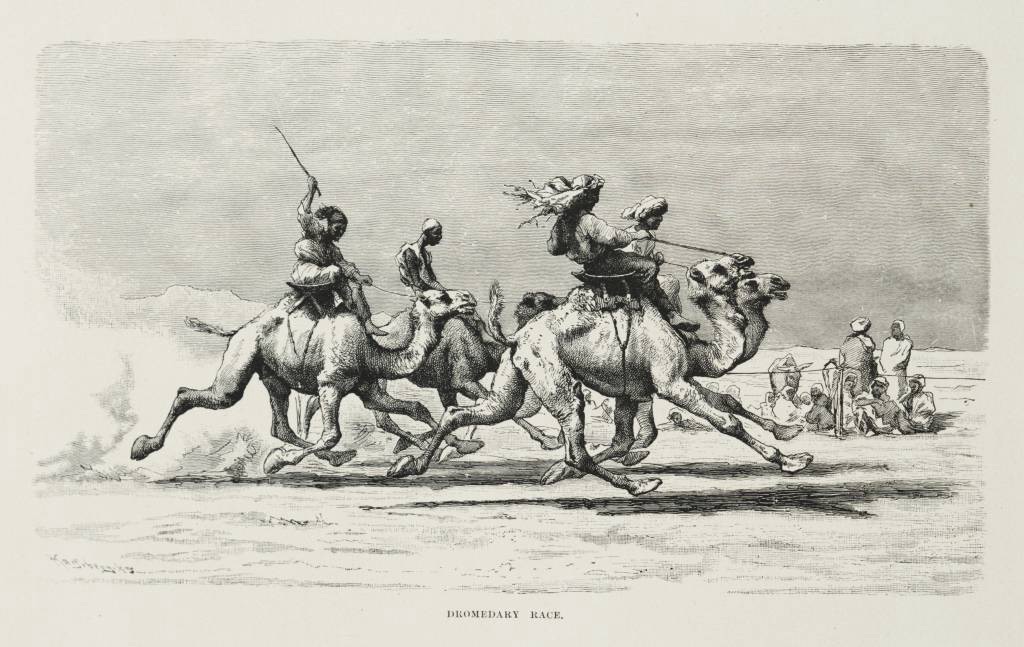
    Camel racing is the sport of running camels at speed, over a set course, with lightweight riders or robot jockeys. The sport almost exclusively features the dromedary camel—its very name comes from the Greek dramein, “to run”—reflecting the animal’s natural design for speed.

    On the Arabian Peninsula, the homeland of the dromedary, camel racing can be traced at least to the early Islamic period (7th century CE). Long overshadowed by horse racing, it remained a community sport at festivals and gatherings until the late 20th century, when it was transformed into a regulated, professional discipline with rules, governing bodies, and major investment.

    Today camel racing is not confined to Arabia. Organized competitions are found in Kenya, Sudan, Egypt, India, and Australia, but the Arab states of the Gulf remain its epicenter. There, specialized industries now support the sport: controlled breeding programs, artificial insemination, embryo transfer, and intensive training methods—sometimes even treadmills and swimming pools—to prepare animals for competition. A proven race camel with a strong record can command extraordinary prices.

    Races are typically grouped by age and sex, with distances adjusted accordingly: about 4 km for young camels and up to 10 km for older, mature racers. Because of differences in weight and performance, males and females are often run in separate categories, and females are especially favored on the track.

    More than a sport, camel racing has become both an international attraction and a cultural showcase. Festivals combine competitive racing with traditional rituals and celebrations, preserving folk heritage for younger generations while presenting it on a global stage.

    Today marks the first day of the Crown Prince Camel Race in Taif.
    From September 2nd-12th

  • Taif Hosts the Seventh Crown Prince Camel Festival, with Prize Money Exceeding SAR 50 Million

    All eyes of camel racing enthusiasts and sports fans will turn tomorrow, Tuesday, to Taif and its historic racecourse, as the seventh edition of the Crown Prince Camel Festival kicks off, organized by the Saudi Camel Racing Federation.

    The festival begins with 92 races in the Ḥaqāyiq category over three days, run in morning and evening sessions. The participating camels will cover a combined distance of 184 km, with each heat set at 2 km. The opening stage concludes on the third evening with four Crown Prince Camel Festival Cup races in the Ḥaqāyiq category.

    The organizing committee confirmed full readiness of the historic Taif track to welcome one of the world’s most important camel festivals. According to the program announced on August 2, the event will feature 249 races across all approved categories, in addition to five races for male and female riders, with total prize money surpassing SAR 50 million.

    Preparations included resurfacing and upgrading the 10 km track to meet international standards. The racecourse is designed with six asphalt lanes—three inner tracks, two outer tracks for owners, and a dedicated media lane for broadcasters. The course is enclosed by an external fence, measuring 40 meters wide at the starting line and 12 meters at the finish line. It is also the only camel racecourse among Saudi Arabia’s 45 tracks to be powered by solar lighting, both on the main and secondary courses.

    Since its launch in 2018, the festival has become a flagship annual event in Saudi Arabia’s cultural and sporting calendar, aiming to preserve and promote camel heritage as part of the Kingdom’s identity. It continues to attract growing audiences from inside and outside the Kingdom.

    Beyond sport, the festival has generated significant economic and developmental impact, hosting cultural activities that strengthen folk traditions and enhance the Kingdom’s role as a guardian of heritage.

    The event has also earned five local and international awards, including four Guinness World Records: two in 2018 (largest number of camels participating in a festival and the world’s largest illuminated camel sculpture), one in 2019, and another in 2024. In 2023, it also received the Makkah Award for Economic Excellence in recognition of its contributions to cultural and economic vitality.

  • The Resilient Abutilon Hirtum: Nature’s Desert Survivor

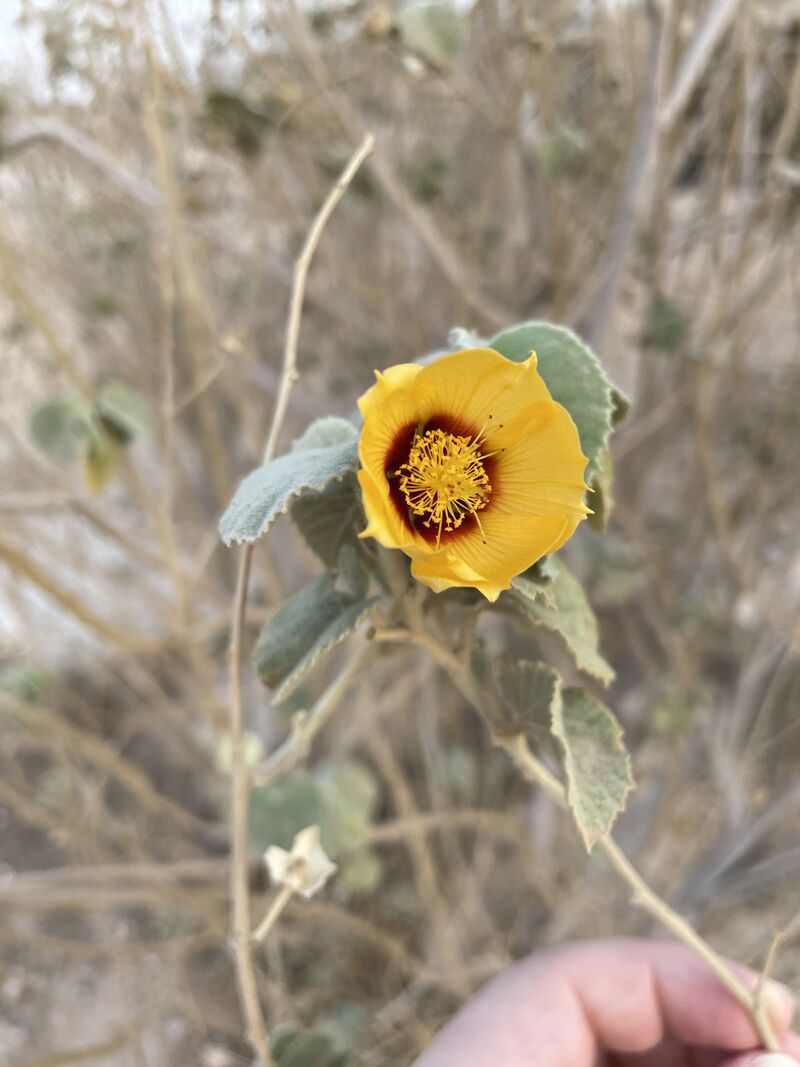
    Abutilon hirtum—the softly bristled “Indian mallow”—is one of the hardiest sub-shrubs in the Arabian Peninsula, freckling rocky wadis from the Najd plateau down to Jazan. Its velvet‐textured leaves and orange-gold corollas endure searing heat and months without rain, traits that let it colonise seasonally dry tropical biomes across Africa-to-Indonesia and “many different areas in Saudi Arabia.” Each flowering stem matures into a wheel of seed-filled capsules, ensuring rapid comeback after drought or grazing and offering reliable browse for camels and goats.


    Local ingenuity has long tapped that resilience: the bark yields a surprisingly fine, strong fibre that villagers once twisted into camel leads, fishing cord and even coarse cloth. Modern labs now validate the plant’s medicinal reputation. Ethanolic leaf extracts show anti-inflammatory and analgesic activities on par with indomethacin, along with antioxidant, antipyretic and emerging antidiabetic potential—effects linked to a cocktail of flavonoids and other bio-actives. In short, this unassuming desert survivor continues to weave itself into both heritage ropework and 21-st-century pharmacology.

  • Discover Calotropis procera: Saudi Arabia’s Unique Milkweed

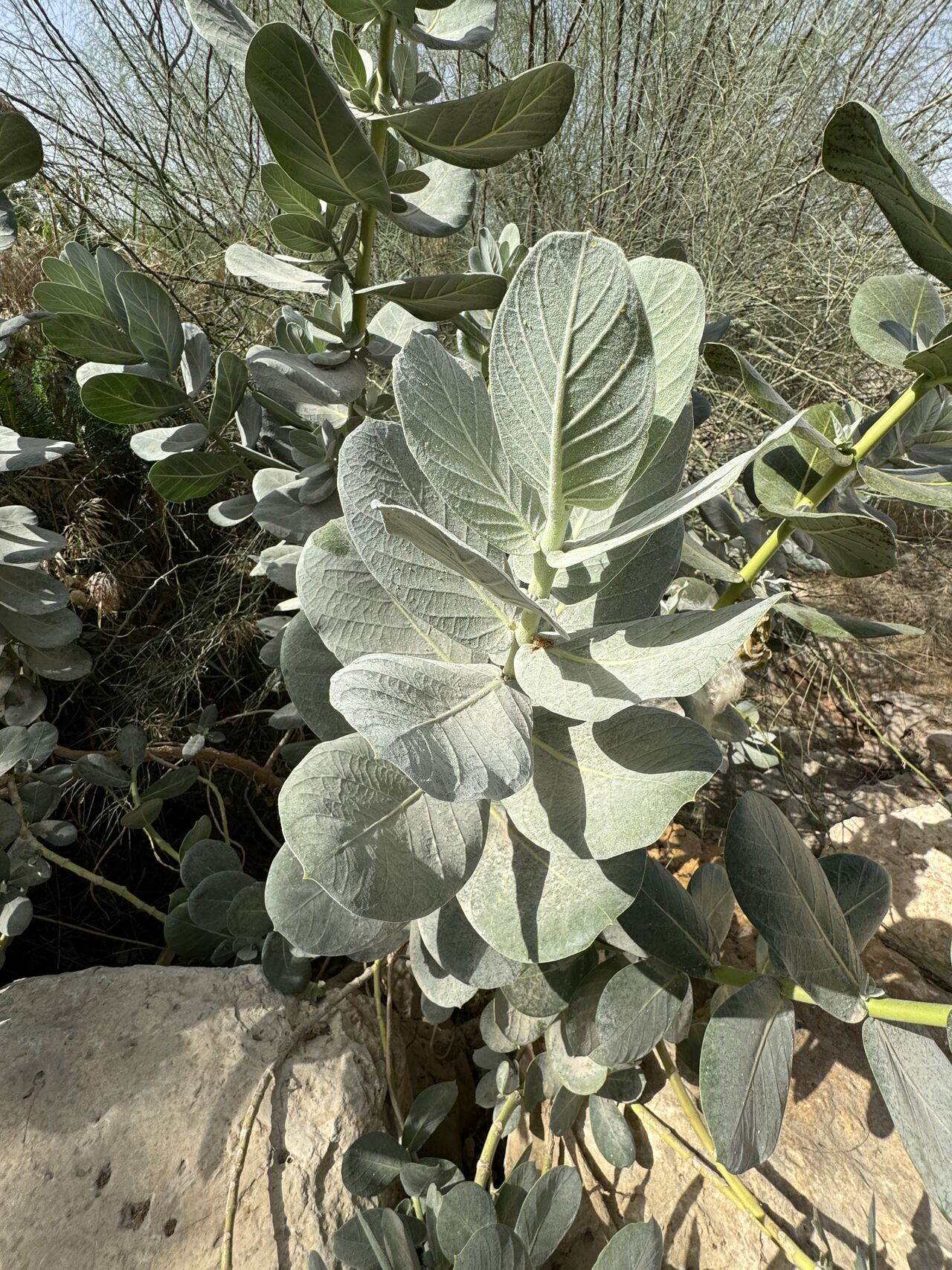
    Saudi Arabia’s largest milkweed species Calotropis procera (العشار)
    is a a real pleasure to look at. It has the largest leaves of any native plant species I have ever seen within the Kingdom. Although it is a milkweed species it grows taller than do many trees.


    The morphology and structure of this plant seem to be from another planet entirely. Seeing them in the desert is somewhat “trippy”. Although they are native to the Arabian Peninsula ( according to a book “Sand Kings of Oman” its roots were once ground up to be used as gun powder) seeing them amongst species that are furnished with thin branches and leaves seeing the enormous leaves of Calotropis procera will throw you off.


    Some sources have reported that the ancient Egyptians once used their fluffy seeds as bedding material and used to stuff their pillows with them. Another source reported that beduins in the Negev and Sinai used to make skull caps from them. People of the region may have also made a sort of linen from its fibers.


    Also this plant never disappoints! When in the flowering season it is teaming with native pollinators and even during the peak of summer you can see it buzzing with insect life.

    I can’t wait to see this plant truly get the recognition it deserves. For all the ecosystem services it provides, its resilience, its abnormal beauty, it really is grandiose and wonderful.