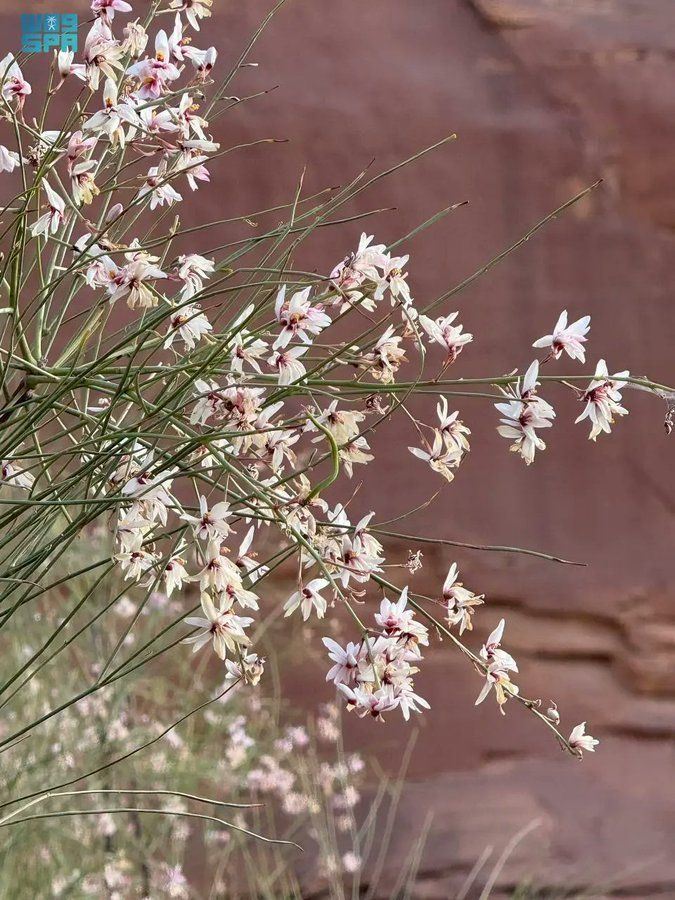
In the sandstone valleys of AlUla, the moringa is more than a tree—it’s a survivor, a healer, and a muse. With over 53,000 trees dotting the region, this native species produces over 130 tons annually, flourishing under conditions that would wilt most life.

Oil pressed from the seeds of Moringa peregrina—has long held a central role in traditional healing across Arabia and beyond. It has been applied to ease headaches, reduce fever, relieve abdominal discomfort and constipation, soothe burns, and treat muscle and back pain. During childbirth, it was traditionally used to support labor. The pure oil is known for its ability to mend lacerations, aid bone healing, and alleviate stiffness. Applied to the scalp, it combats dryness; applied to the skin, it softens and restores. When taken internally, it was believed to relieve digestive issues. Leaf extracts were also used to calm rashes.

The use its seed oil spans millennia. Ancient Egyptians utilized it during the Old and Middle Kingdoms. In northern Oman, it was employed to treat childhood paralysis and convulsions; in Yemen, it served as a topical unguent. Early Greek physicians recommended Moringa for gastrointestinal ailments, leprosy, facial blemishes, and skin irritation. Classical Islamic medical texts noted its use in perfumery and skincare—where even the residue left after oil extraction was valued for treating freckles and chronic itching. It was also prescribed to stimulate healthy hair growth and used in remedies for nosebleeds, toothaches, and gum disease.
Leave a Reply